
Category: Reviews
-
Review: Paolo Bacigalupi’s ‘The Windup Girl’ read as eco-fiction
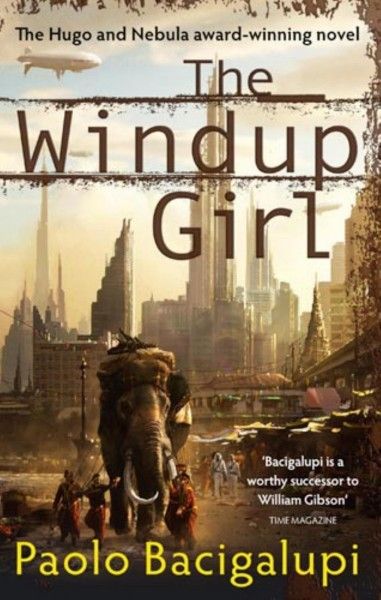
Many science fiction writers overlook Earth’s environmental issues; Bacigalupi’s The Windup Girl exemplifies eco-fiction addressing climate change and genetic manipulation.
-
Review: Mr Palin, to get at The Truth, dig deeper
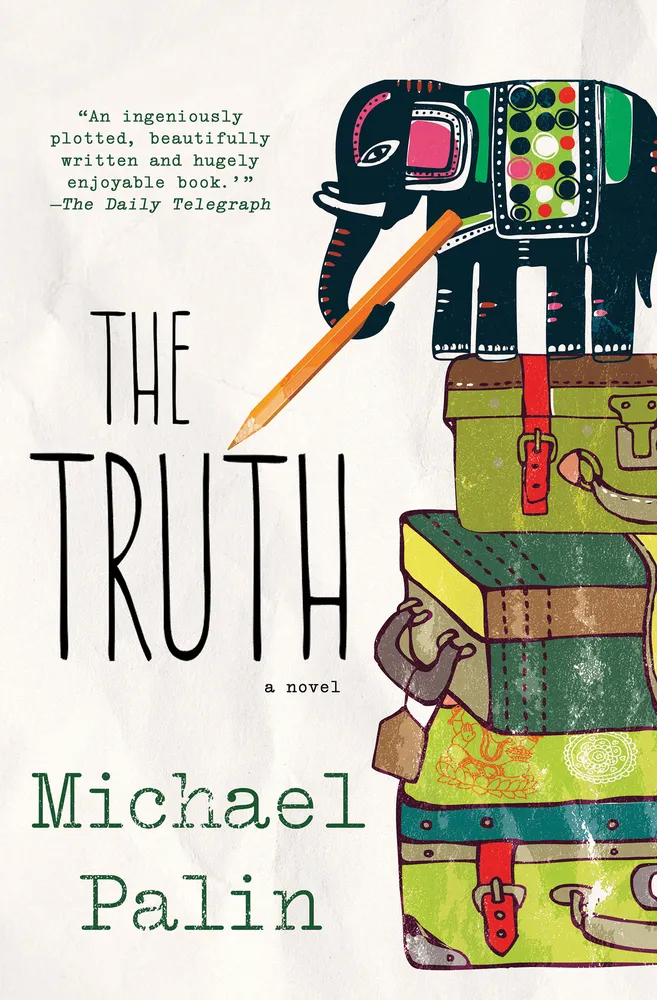
In The Truth, Michael Palin explores hero-worship through protagonist Keith Mabbut, an adrift writer who misunderstands truth while pursuing a murky biography of environmentalist Hamish Melville.
-
Review: Christopher Priest’s ‘The Adjacent’ is confusing, maybe unfinished
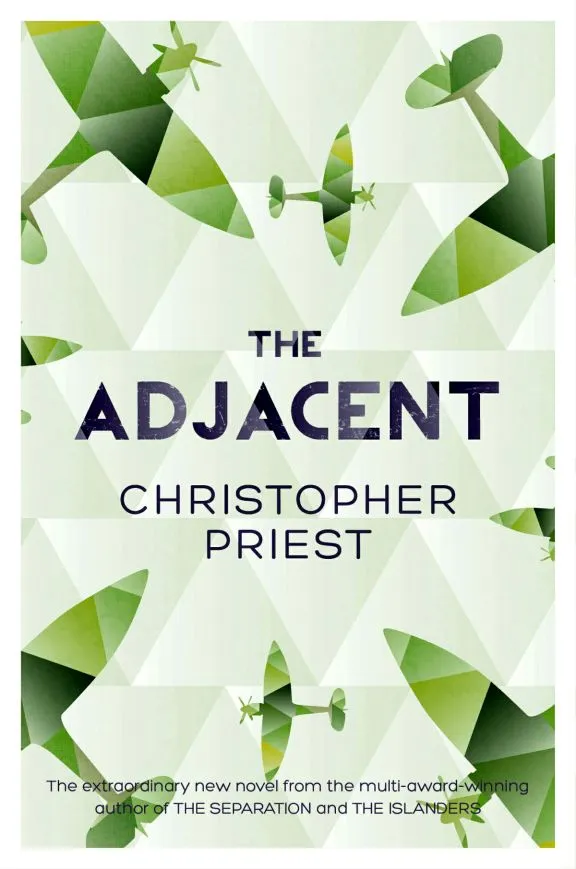
Cosmologists and fiction explore multiverses, paralleling realities, while Christopher Priest’s The Adjacent intertwines narratives but leaves many threads unresolved.
-
Review: Is this book the first climate fiction novel ever?
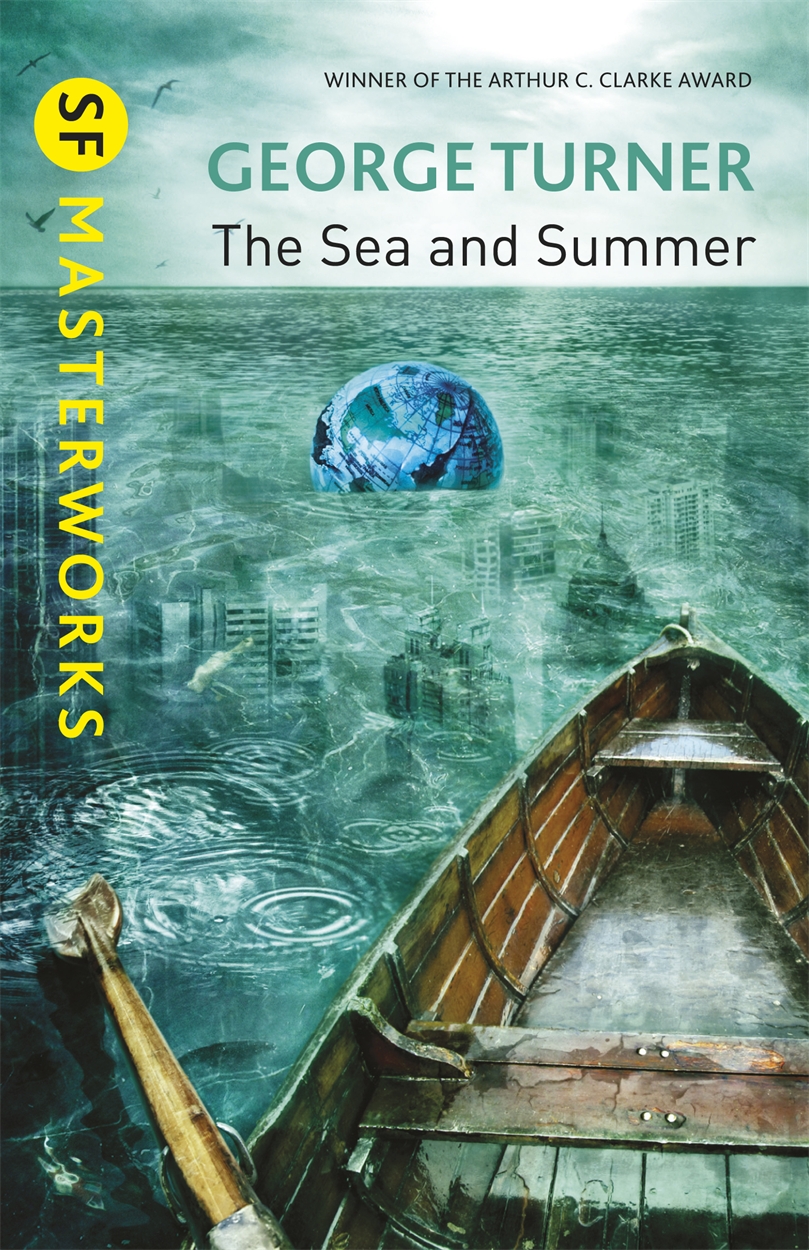
J.G. Ballard’s The Drowned World is cited as early climate fiction, while George Turner’s 1987 novel The Sea and Summer is recognized for addressing human-caused climate change and societal issues like income inequality.
-
Review: Lydia Millet’s ‘Pills and Starships’ is parts sci-fi and cautionary tale
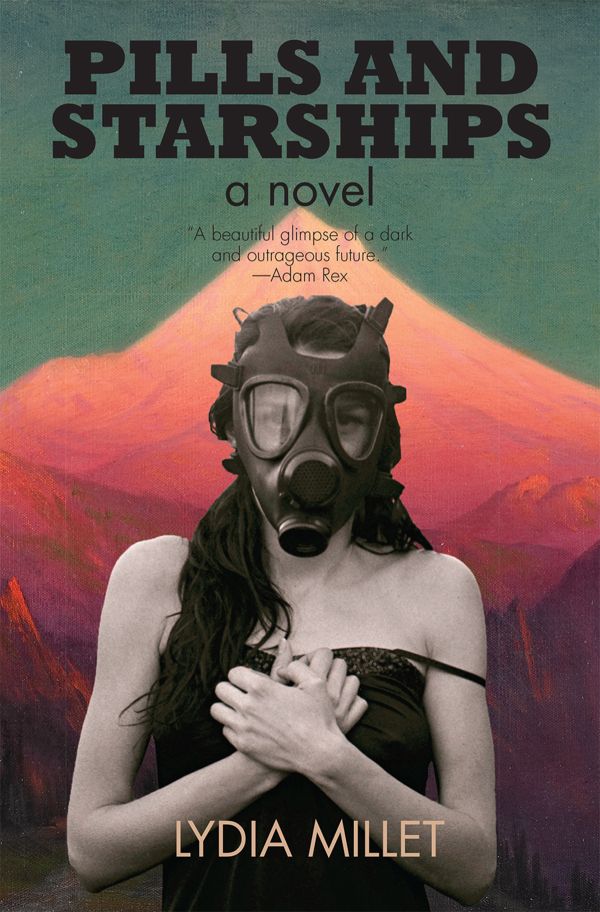
Lydia Millet’s “Pills and Starships” explores a dystopian future through teen Nat’s journey, reflecting on climate change and personal growth.
-
Homer’s Odyssey As An LGBTQ+ Road Trip: Review
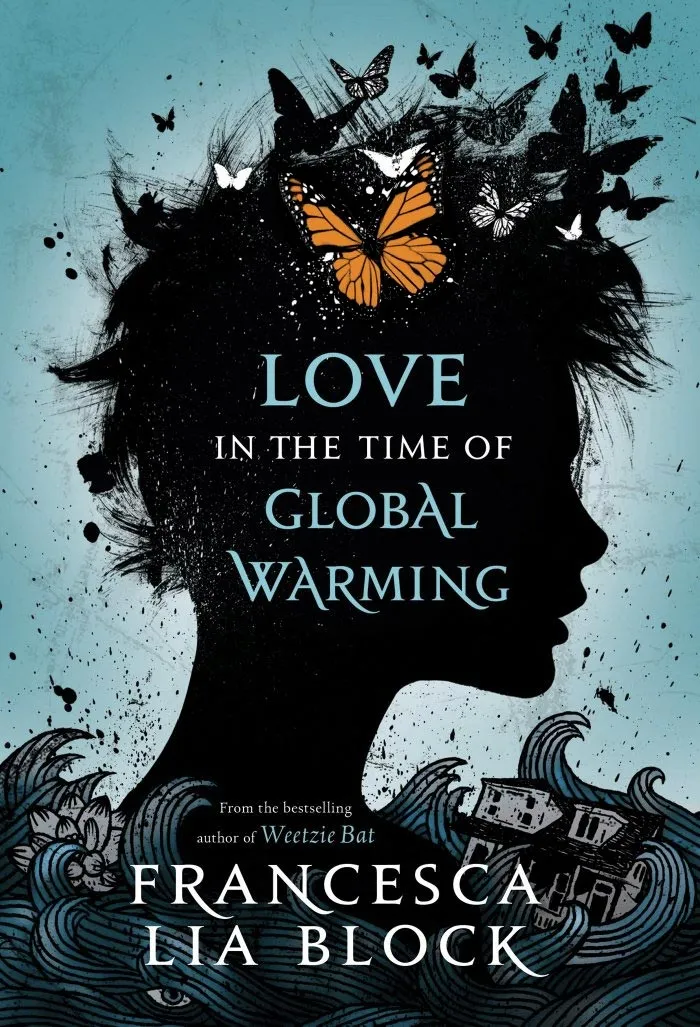
Francesa Lia Block’s novel reflects a teenage girl’s journey amidst global warming themes, echoing Homer’s Odyssey through modern adventures and challenges.
-
Review: Kim Stanley Robinson gives the cold shoulder to Antarctica

The review discusses Kim Stanley Robinson’s novel Antarctica, focusing on its exploration of climate change, politics, and human dynamics. It critiques character development and emphasizes themes relevant to contemporary environmental issues.
-
Review: A Being Darkly Wise is sometimes thrilling, sometimes pendantic
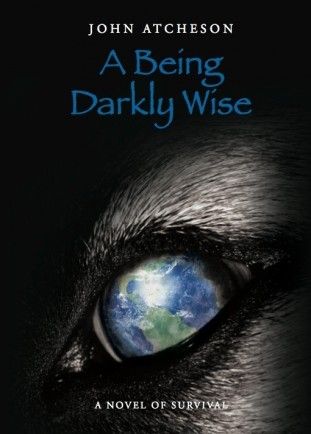
Environmentalists and religious devotees share intense dedication to their causes, explored through characters in Atcheson’s psychological thriller, A Being Darkly Wise.
-
Review: Emmi Itäranta’s ‘Memory of Water’ sings in the key of blue
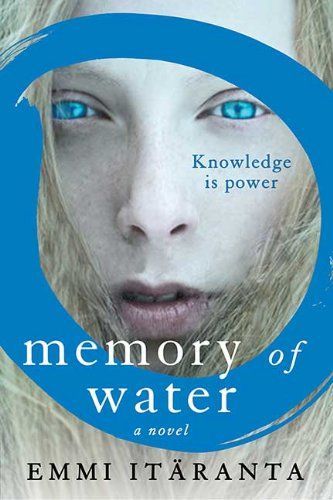
Memory of Water explores a dystopian future where fresh water is controlled by a tyrannical regime, highlighting Noria’s complex choices and resilience.
-
Review: ‘Grumbles’ is a bit of humor at the greens’ expense
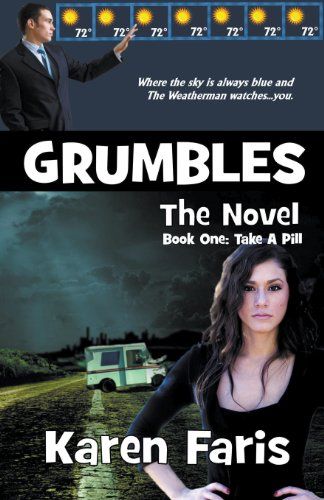
The novel “Grumbles: Take A Pill” humorously tackles serious environmental issues, blending satire with an engaging storyline about climate change.
-
Is Russell Crowe’s ‘Noah’ an allegory for climate change? (Review)

Darren Aronofsky’s film Noah reinterprets the biblical story, portraying Noah as a troubled leader reflecting on humanity’s destruction due to environmental negligence while incorporating modern moral themes aligned with climate awareness.
-
Review: A Wrong Turn at the (Australian) Office of Unmade Lists
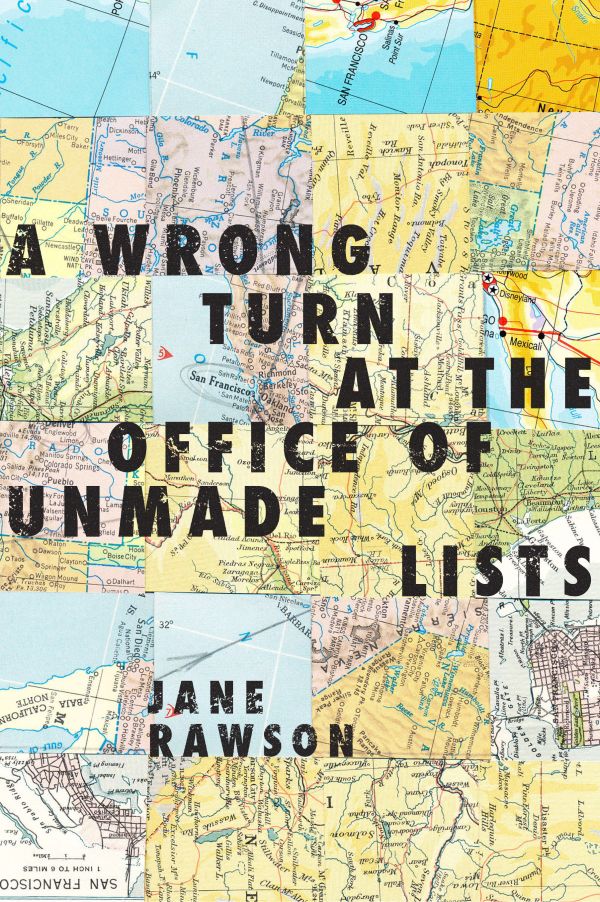
In this charming, but puzzling novel, Jane Rawson explores the Australian landscape post-climate change, which has become a fantastical world. I remember a lecture in a college philosophy class about a medieval scholastic who wrote that if you can imagine something, it’s possible for it to become real. The artist Picasso took the idea a…
-
Review: Lisa Devaney’s ‘In Ark’ warns against a benign eco-ideology
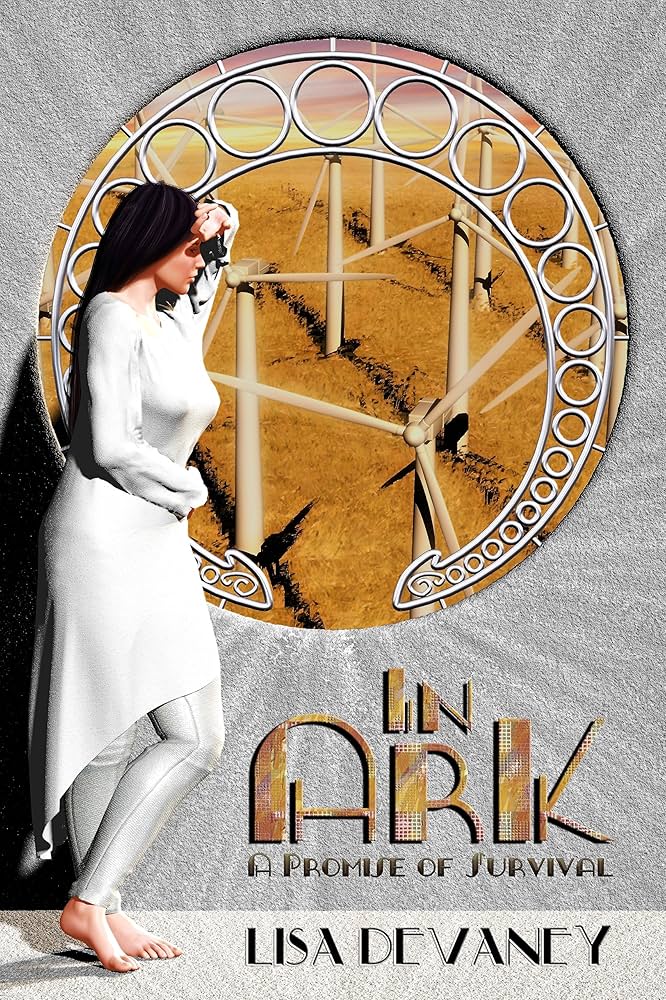
Climate fiction explores dystopian futures shaped by climate change, with Devaney’s “In Ark” illustrating the dangers of isolationist ideologies.
-
Review: ‘Fleet’ revives sci-fi’s nautical tradition
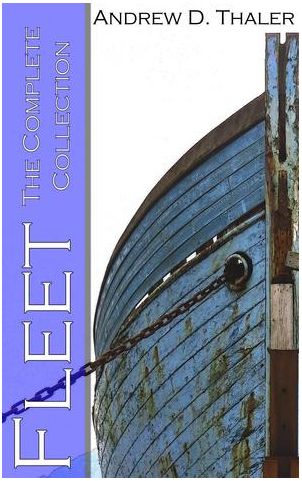
Science fiction’s nautical tradition, highlighted by Jules Verne and diminished by films like Waterworld, is rejuvenated by Andrew D. Thaler’s Fleet.
-
Review: Zachary Bonelli’s Voyage: Embarkation
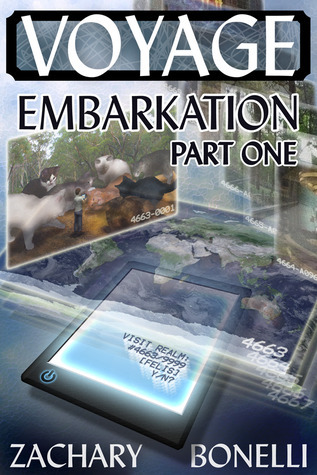
Zachary Bonelli’s Voyage: Embarkation chronicles a boy’s adventures on an alternate Earth, showcasing the author’s evolving writing style and themes.
-
Review: SeaBEAN a high-tech environmental fantasy
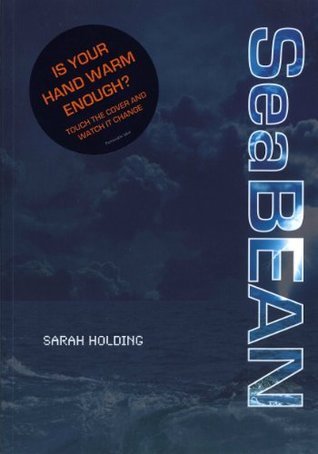
SeaBEAN is a children’s sci-fi novel about environmental stewardship, featuring adventures of a girl using a high-tech classroom device.
-
Review: 6 speculative stories are a ‘Hot Mess’

Hot Mess showcases six speculative stories on climate change’s impact, blending dystopia, satire, and emotional narratives to explore adaptation.
-
Review: Water’s Edge is a plausible YA climate yarn

Rachel Meehan’s novel Water’s Edge transforms abstract climate change concepts into relatable narratives, depicting its profound effects on human relationships and communities.
-
Review: Paulette Jiles’ Lighthouse Island
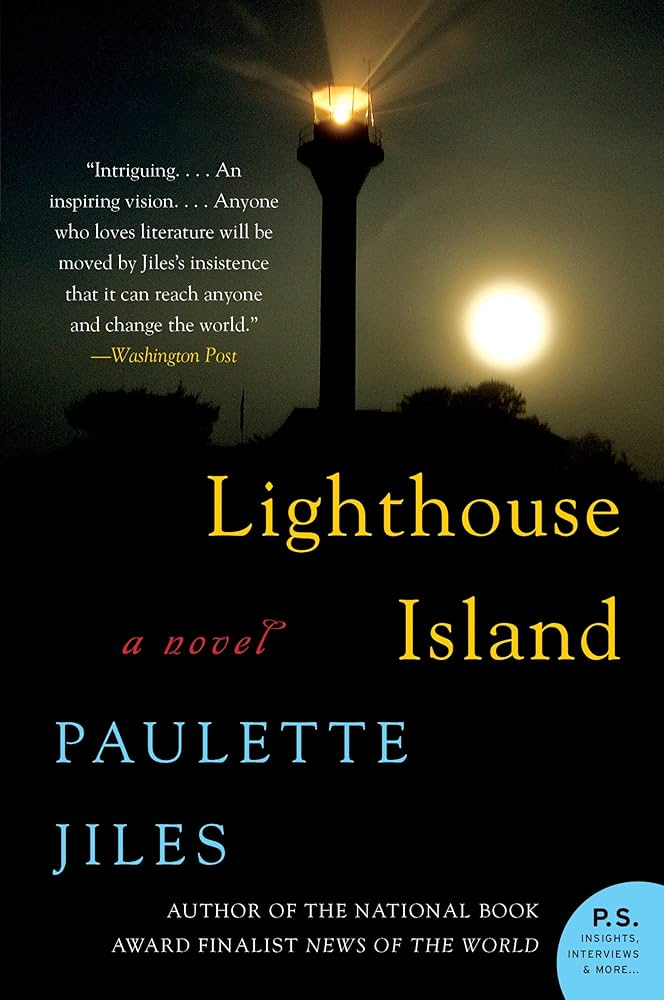
Lighthouse Island explores Nadia’s dystopian survival journey, evolving from a lackluster start to a rewarding and atmospheric conclusion.
-
Review: The utopian World We Made. Maybe.

Current artistic visions lean toward dystopia, reflecting societal pessimism about issues like climate change, contrasting with past optimistic portrayals. Porritt’s The World We Made offers a hopeful path forward.