
Category: Writing
-
Three reasons why you should put climate change in your next novel
Writers should incorporate climate change into their narratives to reflect readers’ real experiences, concerns, and discussions about its impacts, shaping character evolution and engaging with contemporary issues.
-
The first one thousand words of The Mother Earth Insurgency

I’ve been thrilled with the response to my novelette, The Mother Earth Insurgency. If you’re curious about the story, here’s the first one thousand words.
-
Protagonists must grow: What happens when they don’t?
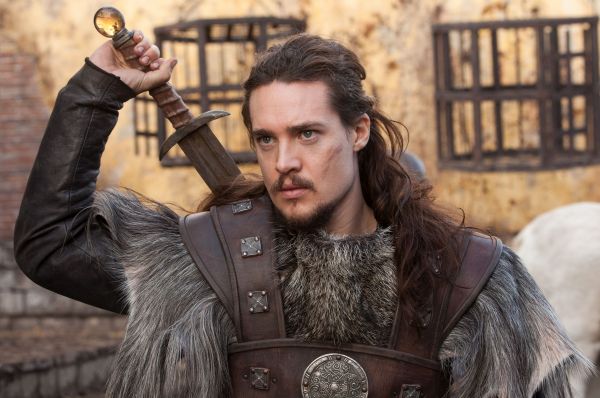
The television series, The Last Kingdom, is an exciting historical drama, but the way it treats the arc of protagonist Uhtred of Bebbanburg doesn’t measure up to the material. Fishermen love a good fish story, especially the one that got away. I was hooked by the BBC America television series The Last Kingdom, but the…
-
How would King Arthur cope with a climate-changed world?

The author reflects on transitioning from writing in the Carbon Run universe to exploring a post-climate change world through fantasy, particularly integrating Arthurian legends with environmental themes.
-
Should you hire a sensitivity reader to scrutinize your novel?

Mikki Kendall advocates for hiring sensitivity readers to ensure diverse character portrayals in literature, cautioning against stereotypes while emphasizing thorough research and genuine narrative necessity over trend chasing.
-
What happens when you remodel your social media platform

In 2016, the author reflects on the challenge of traditional publishing versus self-publishing, emphasizing the importance of an effective marketing platform and social media presence to promote their works.
-
What Catholic science fiction writers can learn from Mormon writers
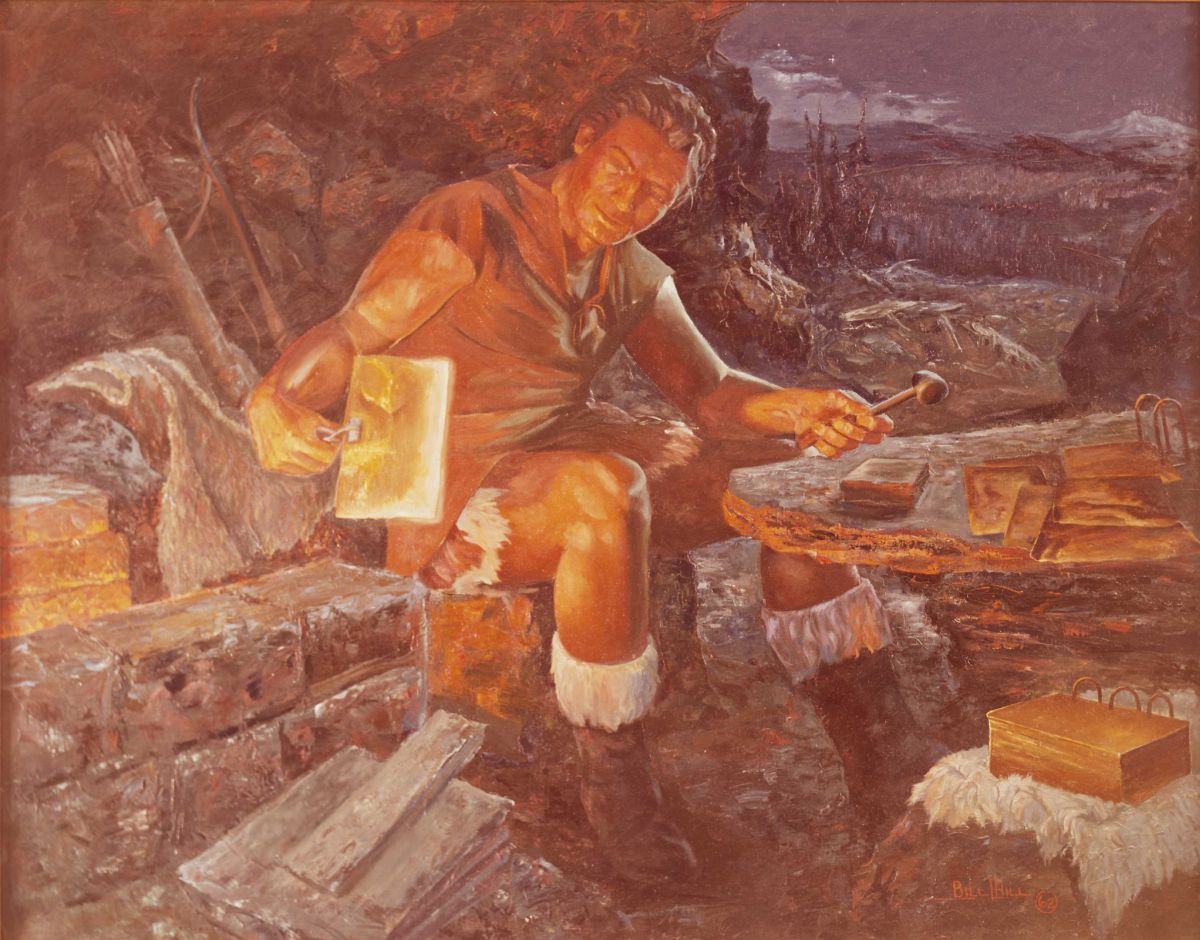
The article explores the strong connection between Mormonism and science fiction, highlighting how both the Mormon and Catholic backgrounds inspire imaginative storytelling, showcasing notable authors and religious influences on the genre.
-
How writers can read The Grapes of Wrath as climate fiction
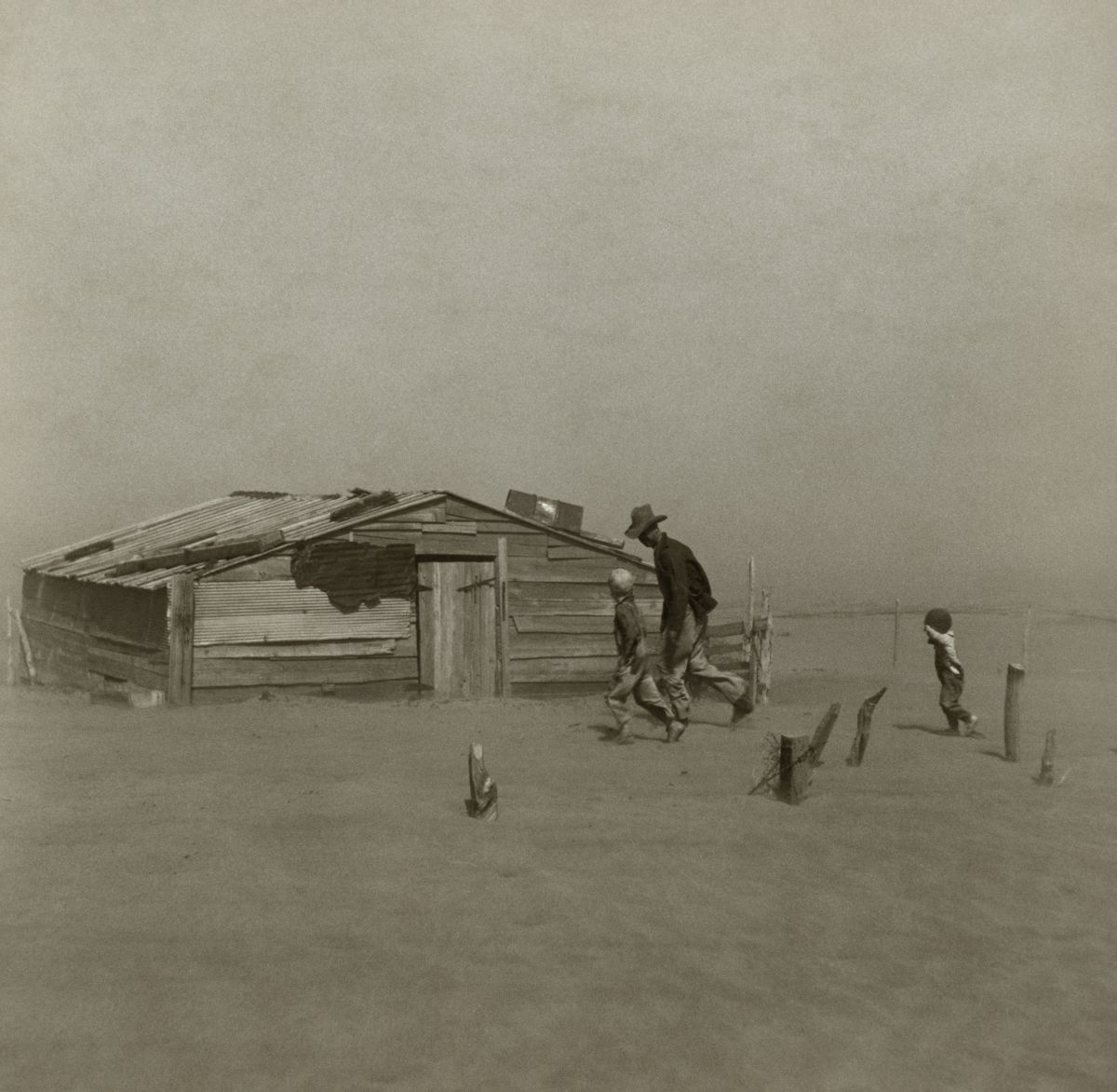
The article examines how Steinbeck’s The Grapes of Wrath, through the Joad family’s experiences during the Dust Bowl, reflects the potential consequences of climate change and mass migration.
-
More skirmishes in the genre wars
The genre wars in science fiction, particularly between traditionalists and inclusives, highlight the absurdity of classifications, emphasizing that genres often lack meaningful definitions and distract from storytelling.
-
Why science fiction writers should reveal their inmost selves

The author critiques a mystery novel for its overly polite characters who avoid expressing true emotions. True fiction should explore desires and fears honestly, revealing deeper truths about human nature.
-
Is climate fiction a genre, a theme, a motif, or what?
Dan Bloom, who coined “cli-fi,” explores climate fiction’s definition as a genre, theme, or motif, highlighting its focus on humanity’s environmental impact and potential for literary categorization.
-
How to write a gripping news release for your new book

The author shares insights from their experience as a communications director, offering independent authors tips on crafting effective news releases to attract editor attention for their books.
-
How to abandon a draft without feeling like a failure
The author reflects on creative struggles, comparing a writing slump to a car breakdown, and emphasizes the importance of patience and starting over, drawing inspiration from F. Scott Fitzgerald’s advice.
-
3 ways to cope with literary critics without losing your mind

Writers often face harsh criticism, with critics nitpicking details rather than providing constructive feedback. Developing resilience and separating personal feelings from reviews is crucial for coping with criticism.
-
Three things Raymond Chandler taught me about writing

The author reflects on insights gained from Raymond Chandler’s writing while revising their sci-fi novel. They admire Chandler’s dialogue, character descriptions, and simile use, finding inspiration for their own work.
-
Random and messy: What writing process?
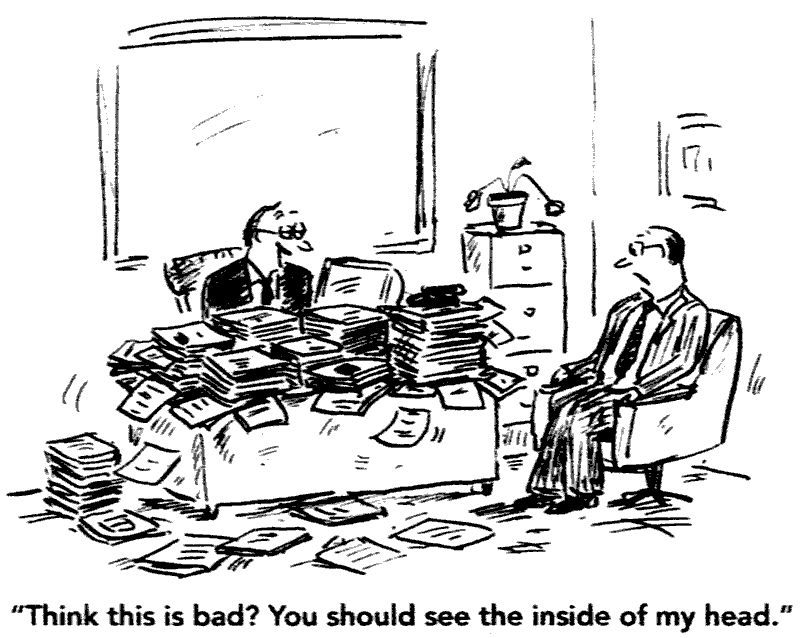
The author humorously reflects on the chaotic nature of their writing process, contrasting expectations of order with the reality of disorder and randomness that defines their creativity.
-
Thoughts on the climate fiction genre from a writer and publisher
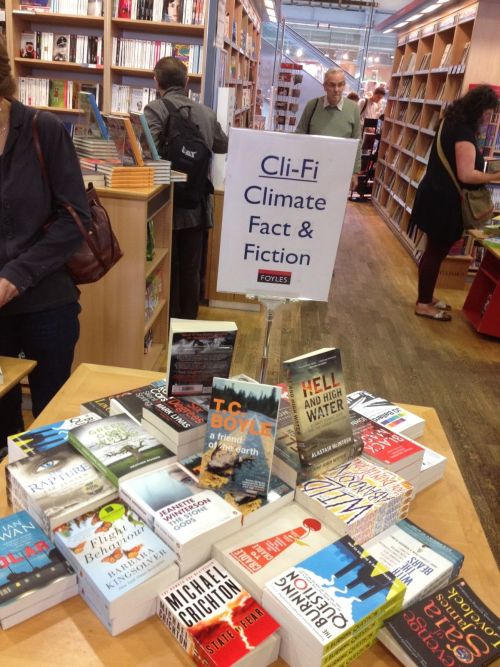
Mark Nykanen, author of Primitive, Carry the Flame, and other environmentally themed novels, and Mary Sands Woodbury, editor at Moon Willow Press, offered their thoughts on climate fiction and its future in publishing.
-
Six rules for putting climate change into your fiction
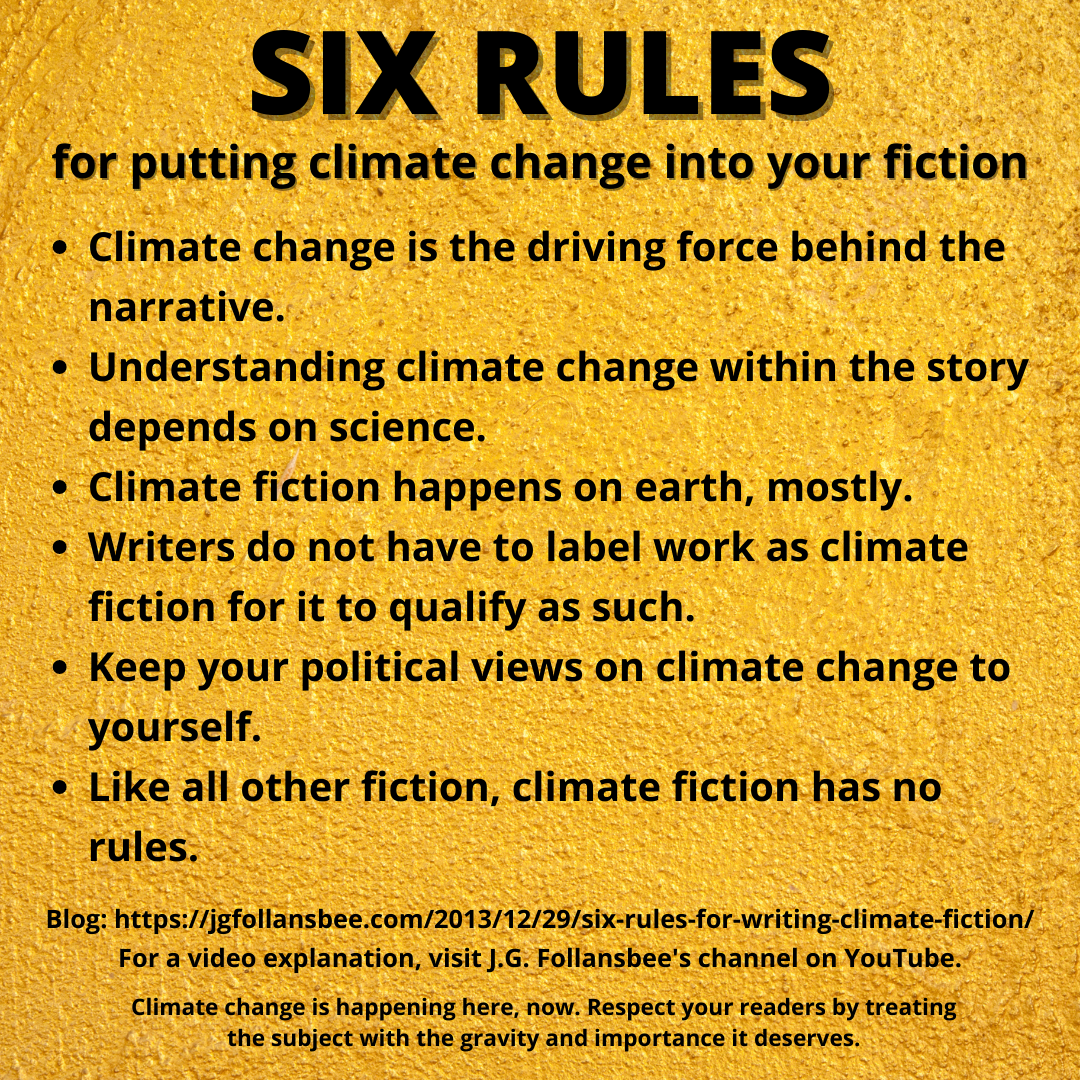
Climate fiction focuses on long-term climate change impacts on society, rooted in science. Writers are encouraged to explore creativity without strict rules while maintaining relevance to Earth’s challenges.
-
Inspiration: Sci-fi Is About Now, Not Later
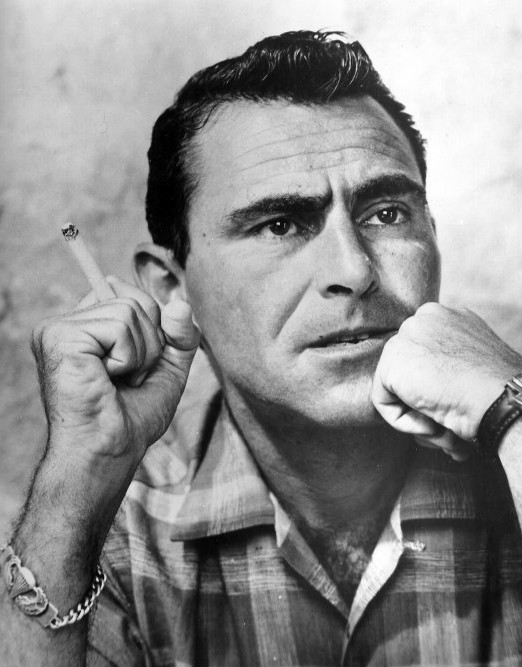
The author explores how science fiction reflects contemporary issues rather than predicting the future, emphasizing personal inspirations and societal themes.
-
He Said, She Said: Enough ‘said’

The verb “said” is a preferred way to attribute speech in non-fiction, but it doesn’t work in fiction. There’s too much “He said, she said” in fiction, when there are better kinds of dialog tags. I’ve had enough with “said.” Way back when I was first learning journalism, an editor told me never to use…