-
Ted Chiang’s sci-fi genius arrives with laser-like precision

The article discusses Ted Chiang’s acclaimed collection, “Stories of Your Life And Others,” highlighting his precision in writing and the profound themes in stories like “Story of Your Life,” which inspired the film Arrival.
-
Remember John Glenn by watching this British TV series

Sen. John Glenn’s death prompts reflection on his historic orbit achievement and the space race, a competition symbolizing U.S.-Soviet superiority during the Cold War, showcasing significant challenges faced by engineers.
-
Reviews: It’s true. Ann Patchett’s State of Wonder is science fiction.
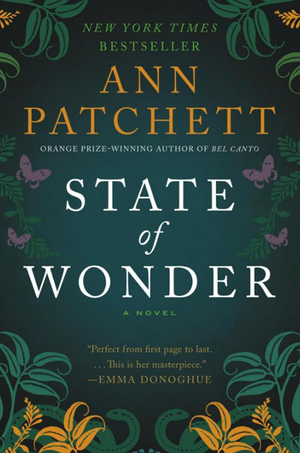
Writers often resist genre categorization, yet it aids readers. Ann Patchett’s State of Wonder blends science fiction with literary themes, revealing significant elements that enhance its narrative despite some structural issues.
-
Review: Doctor Strange: It’s All Benedict Cumberbatch
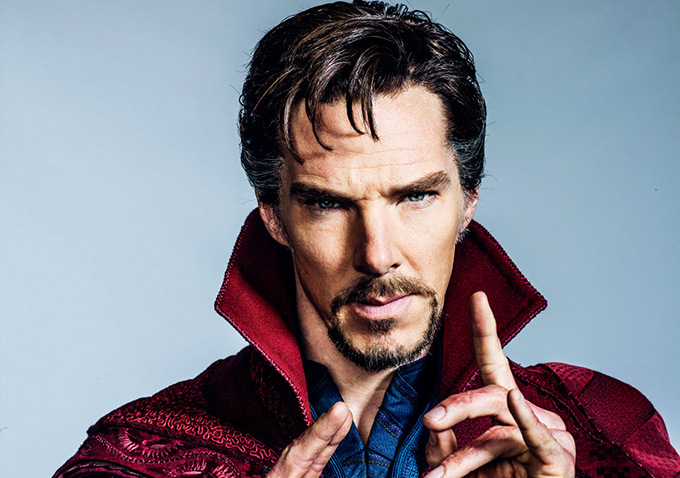
The review highlights the author’s indifference towards comic book movies, emphasizing their enjoyment of Benedict Cumberbatch’s performance in Doctor Strange, which showcases his talent in portraying complex characters.
-
Writers should stop using ‘redneck’ as an ethnic slur, and probably won’t.
Historically dominated by white men, science fiction in recent decades have seen increasing representation from women and minorities. But the term “redneck,” alongside other slurs, reflects societal biases and stereotypes against immigrant redneck culture. The biases are rooted in American upper class snobbishness against Scots-Irish immigrants.
-
Are we creating the dystopia we’ve always feared?

The opening of Star Trek: Beyond and Trump’s nomination highlight contrasting American perspectives on optimism and pessimism about the future, reflecting societal beliefs about technology, governance, and potential dystopia.
-
Review: Augments of Change salient in a time of racial tension
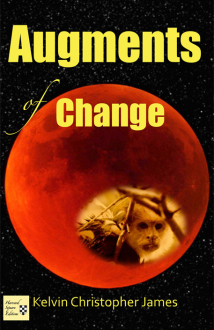
In a time of racial tensions and national reckoning with uncomfortable pieces of our history, Augments of Change attempts to satirize race, noting that it’s mostly an illusion. America is going through another paroxysm of racially tinged violence, reminding everyone of our failure to reconcile our history with our ideals. In my own lifetime, the…
-
6 must-have items for audio story recording and production

The author shares a minimal audio equipment setup for storytelling, highlighting essential tools like microphones, headphones, and software, emphasizing that quality sound is achievable without extensive gear.
-
The Girl in the Road: Literary fiction with a sci-fi overlay

Monica Byrne’s The Girl in the Road intertwines two women’s journeys in a future shaped by climate change, exploring technology’s role in economic colonialism while challenging dominant narratives and human resilience.
-
Should you hire a sensitivity reader to scrutinize your novel?

Mikki Kendall advocates for hiring sensitivity readers to ensure diverse character portrayals in literature, cautioning against stereotypes while emphasizing thorough research and genuine narrative necessity over trend chasing.
-
Review: In Hieroglyph, sci-fi exists to explore the possibilities of change

Science fiction reflects societal hopes and anxieties, evolving from optimism to realism. The anthology Hieroglyph seeks to inspire and debate sci-fi’s purpose, focusing on human experiences amid technological advancements.
-
Review: A faux-paleo world with email stumbles on its ‘re-wilding’ contradictions

The content critiques a perspective that views civilization as a historical mistake, advocating for a return to hunter-gatherer lifestyles. It examines romanticized views of the past and highlights attempts at rewilding.
-
Review: The appropriated world of The Guild of Saint Cooper
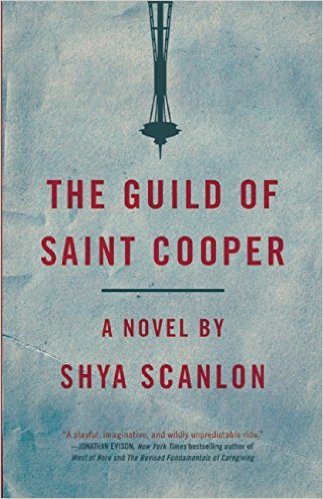
The text discusses cultural appropriation in art, focusing on Shya Scanlon’s novel inspired by David Lynch’s work. It questions originality, highlighting characters and narrative style while exploring theft versus influence.
-
Planet Nine: I want to believe

Rod Serling’s The Twilight Zone exemplifies the blurred lines between reality and fantasy, much like the ongoing discourse around the hypothesized Planet Nine, igniting belief and skepticism in scientific discovery.
-
Review: A Le Carré tale of disappointment and two endings
Not every book can have a satisfying end, and some books have disappointing endings, even one by the master storyteller, John Le Carré. Spoilers ahead, including details of book endings You’ve invested days, maybe weeks of time in a relationship, but at the end, you’re disappointed. It happens in real-life relationships, and it happens to…
-
What happens when you remodel your social media platform

In 2016, the author reflects on the challenge of traditional publishing versus self-publishing, emphasizing the importance of an effective marketing platform and social media presence to promote their works.
-
What Catholic science fiction writers can learn from Mormon writers
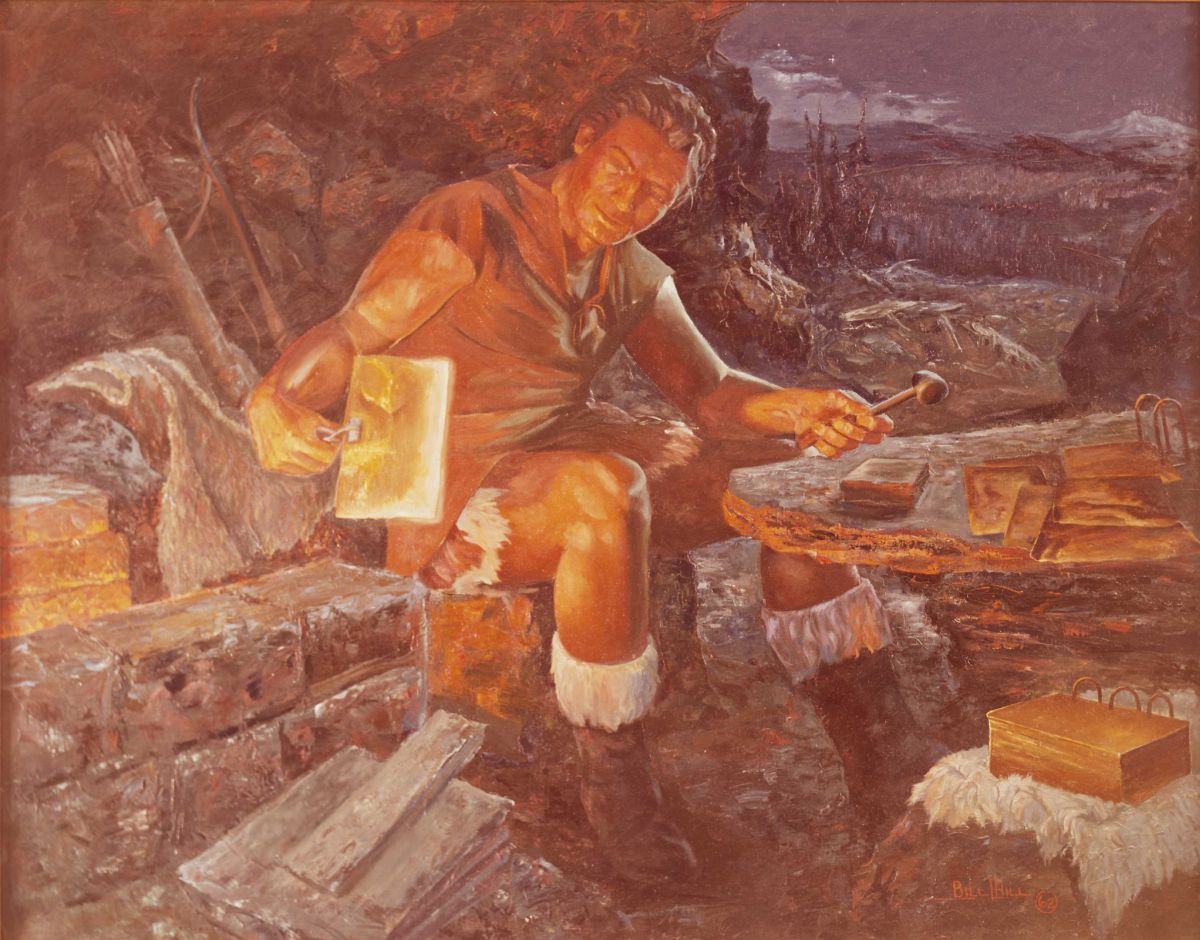
The article explores the strong connection between Mormonism and science fiction, highlighting how both the Mormon and Catholic backgrounds inspire imaginative storytelling, showcasing notable authors and religious influences on the genre.
-
‘Bet: Stowaway Daughter’ now at Seattle Public Library
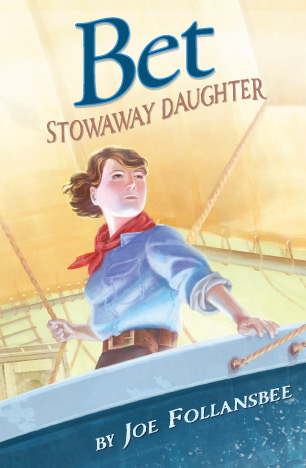
(Author’s note: Bet: Stowaway Daughter was published in a second edition on 10/1/2025 titled The Stowaway’s Secret.) Getting into the local library is one of the biggest challenges for the self-published author. I’ve leapt that hurdle with my one self-published novel, Bet: Stowaway Daughter, which I released as an e-book in 2009. It’s now available…
-
How a flu shot got me thinking about memes and failure

The author reflects on making their blog more engaging, struggles with self-promotion, and experiments with memes for expression. Despite initial interest, the meme project ultimately fades, displaying the creative process’s instability.
-
What is the role of a writer as climate change creeps up on us?
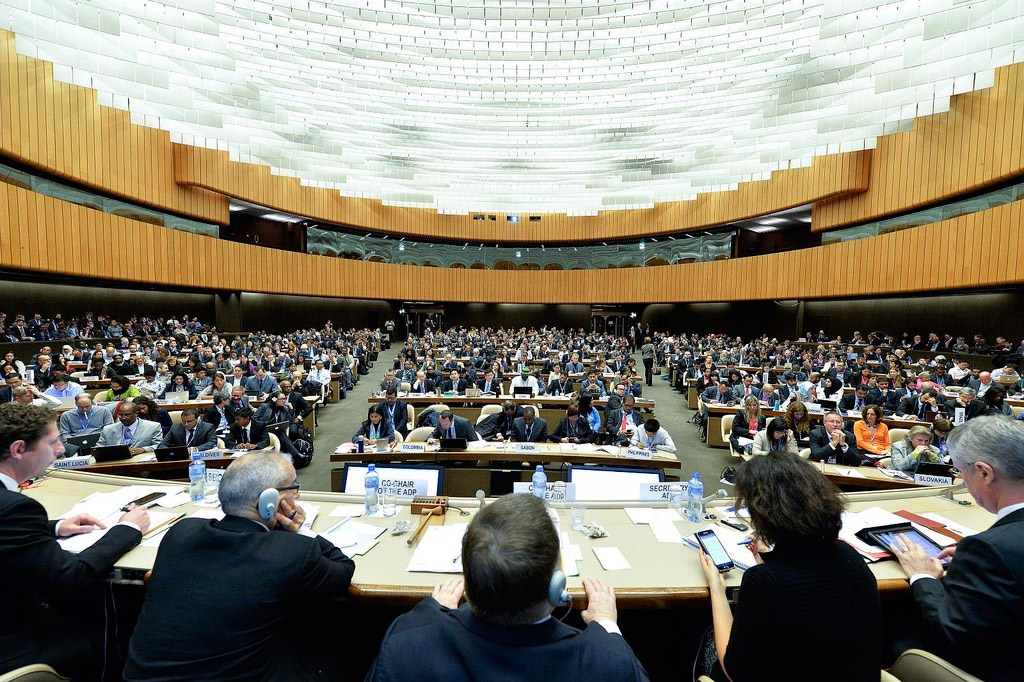
The author reflects on COP21’s significance amidst climate change while expressing a mix of fear and fascination about future consequences. Their fiction explores adaptation to inevitable environmental changes without promoting alarmism.

J.G. Follansbee
Climate science fiction, fantasy fiction, maritime history, screenplays, short stories