
Tag: movies
-
Climate science fiction: Are there stories that make climate change less scary?

Climate science has earned a reputation as the “dismal science” of our time. Today, many people struggle with environmental science without feeling overwhelmed by dread. Climate fiction offers a powerful solution to this problem.
-
Can AI Make a Blockbuster? Staircase Studios’ Plan for $500K Feature Films

A new Hollywood venture, Staircase Studios AI, aims to release up to 30 feature-length films, including its first effort, The Woman with Red Hair.
-
AI video short Mnemonade hints at a new genre: Review

The AI short film Mnemonade (2024, Drama, MetaPuppet), winner of the inaugural Culver Cup for generative AI, is the the product of a talented filmmaker and storytelling, with good structure, believable dialog, and a twist that will make you hug your mom.
-
Screenplays into novellas: Dipping my toe back into print

The author transitions from screenplays to novellas, finding potential in shorter works that could attract film interest. Despite challenges with publishers, self-publishing and audio adaptations remain viable options.
-
From Fast-Paced Hooks to a Slow-Burn Pace: A Mystery/Thriller Script

Some of the best movies of recent years prefer to pull back the curtain slowly on character and action, teasing the audience to come along for the ride.
-
Modern Crime Pulp: Raw Law in ‘The Gods Demand Blood’

Fans of crime fiction know many of the works of the great authors by heart: Dashiell Hammett’s The Maltese Falcon, Raymond Chandler’s The Big Sleep, for example. But few remember another one of the great, and I think overlooked, pulp crime writers. Frederick Nebel (1903-1967) wrote stories for the leading pulp magazines, including Black Mask,…
-
Corruption, Queer Fear, and ‘The Red Feather’: A Story of Vice and Family

My hometown of Seattle marked its modern debut in 1962, when a World’s Fair gave it the iconic Space Needle. It was also a city of corruption and secrets, when cops took bribes to tolerate vice, and people then called “queer” feared for their lives.
-
How One Screenplay Evolved Via Revision: Crafting ‘Doomer’

A story idea can evolve into a finished product almost completely unrecognizable from the thing that first pops in your head.
-
Mysterious Rage: A Healing Hero in ‘The Angry Road’
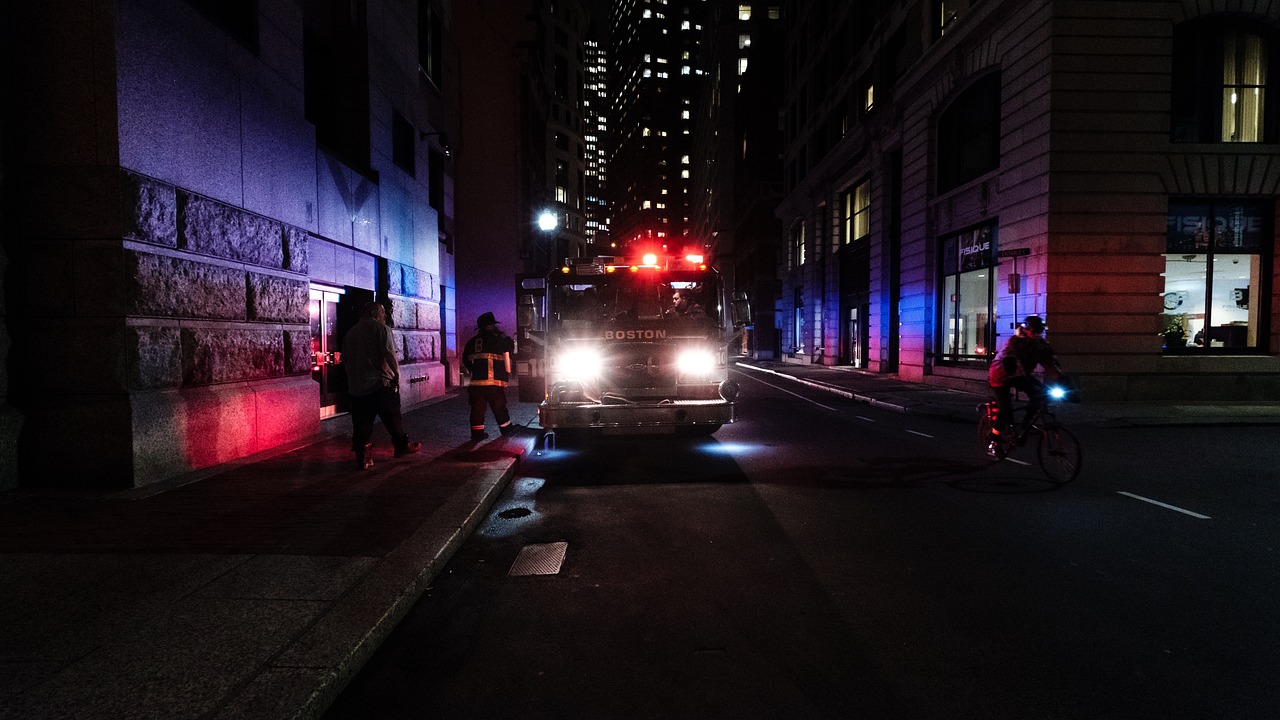
You’re driving down a lonely two-lane road. You’re on unfamiliar ground, so you’re a little anxious. You look in your rear-view mirror, and a large, black pickup comes up from behind and tailgates you.
-
Turning Point on the Docks: ‘The Brothers O’Neill’

The Brothers O’Neill is the story of a young Seattle police officer, Sam O’Neill, whose beat covers the piers and wharves teeming with labor tension. Read the first portion of the synopsis.
-
Five Screenplays Complete the First Phase of My Portfolio

Transitioning from novels to screenplays, I crafted five crime scripts, all positively received. I seek collaboration with industry professionals as I develop more projects in this genre.
-
Three acts to eight sequences: Decoding screenplay structure
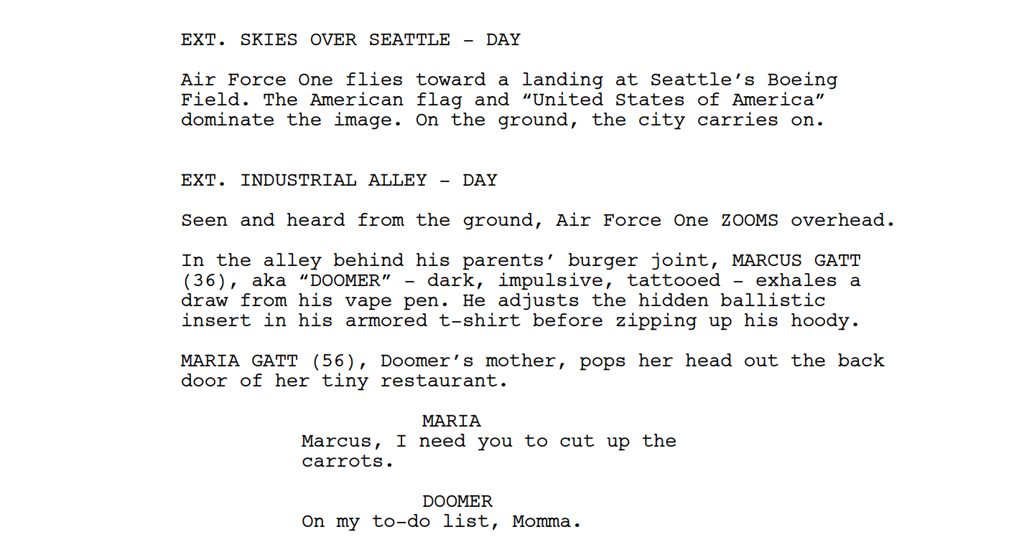
I explore the intricacies of narrative structure in screenwriting, from the classical three-act approach to the practical and dynamic eight-sequence structure, offering screenwriters what I’ve learned about organizing compelling narratives.
-
From Childhood Dreams to Screenwriting: A Journey to My First Screenplay

I take a cinematic journey from childhood moviegoer’s dream to the creation of my first screenplay, ‘Doomer,’ inspired by classic detective writers, Raymond Chandler and Dashiell Hammett.
-
Embracing Creative Change: Moving from Climate Fiction to Hollywood-Style Screenplays
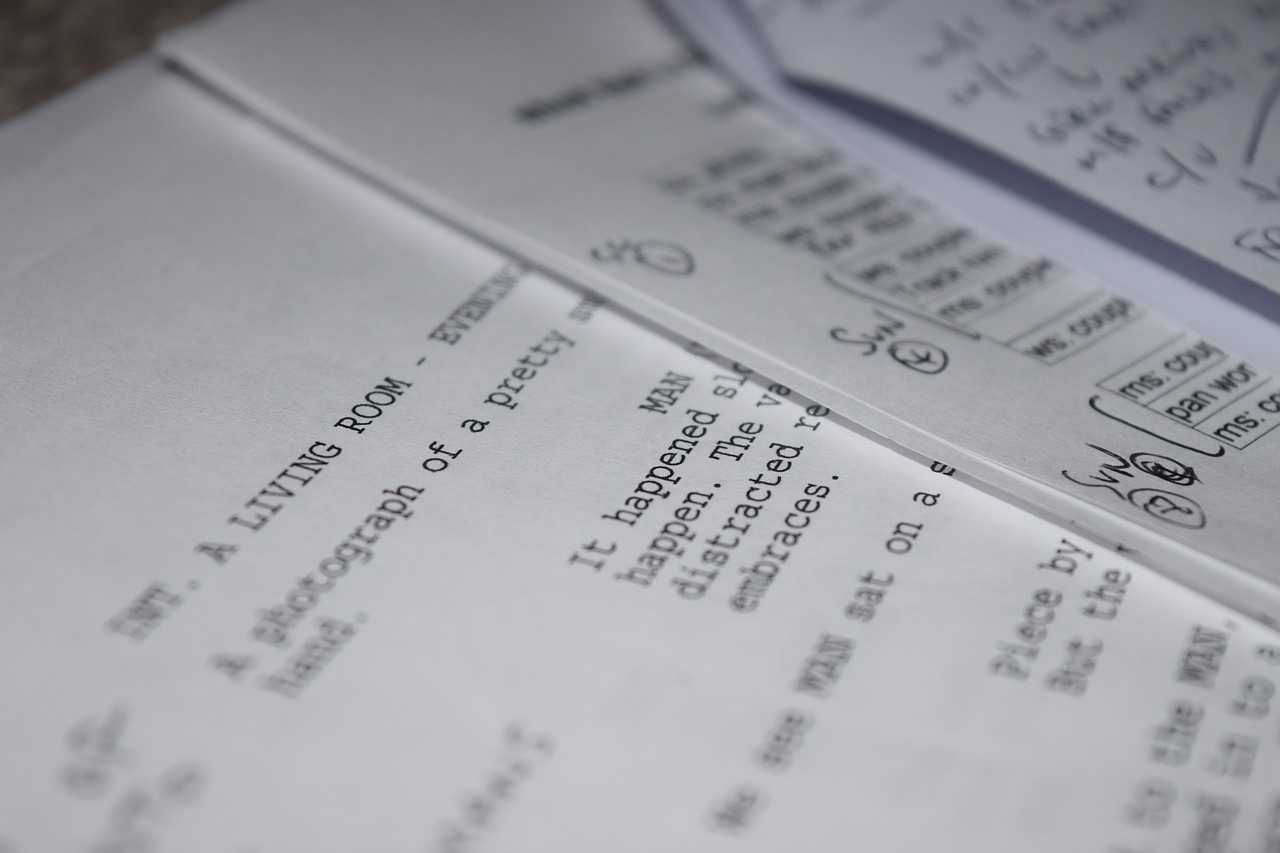
Discover how a seasoned writer transitioned from climate fiction to Hollywood-style screenplays, exploring new creative avenues and sharing insights on the exciting journey of adapting to a new storytelling form.
-
UFO sightings are about to spike. Here’s the truth behind them.

The US government’s UFO report has reignited public interest in unexplained phenomena, reflecting societal fears and conspiracy beliefs while reminding us of historical misconceptions and distractions amid current crises.
-
“The Midnight Sky” is barely a sci-fi movie, but that’s okay
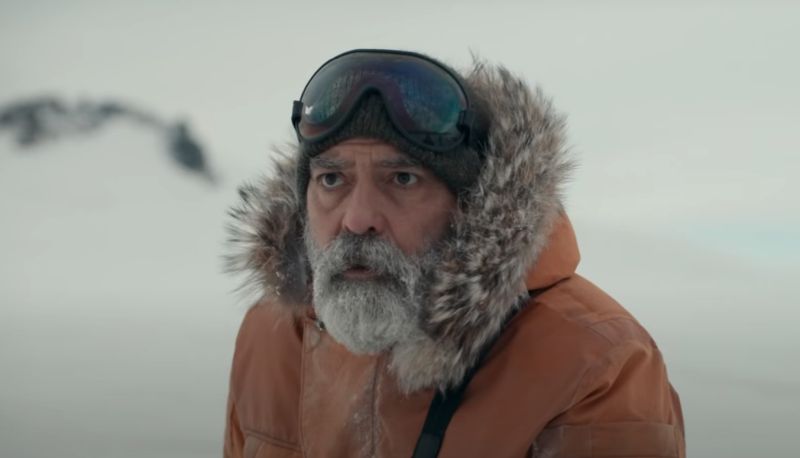
“The Midnight Sky” features George Clooney as a dying scientist navigating connection and regret amidst a cataclysmic backdrop. Although lacking traditional sci-fi thrills, it offers a compelling emotional journey.
-
Monty Python and the Holy Grail: My love-hate relationship

Monty Python and the Holy Grail is hailed as one of the great comedy films of the 20th century. But has it ruined any chance for success by other films and stories based on the King Arthur legends? One of the great moments of film comedy occurs early in Monty Python and the Holy Grail,…
-
Review: Thank God King Arthur will survive ‘King Arthur’

The Hollywood movie King Arthur: Legend of the Sword is a disappointing addition to the King Arthur books and movies, especially given my personal interest in the story. The legends of King Arthur and the Round Table are possibly the most abused of the West’s mythic texts, more than the Greek myths, and certainly more…
-
Star Wars: Rogue One’s peculiar dance with death & resurrection

Star Wars: Rogue One entertains younger audiences but may confuse seasoned fans with its plot connections. It uniquely addresses death, featuring digital revivals of characters, which provoke nostalgia and unease.
-
Aliens, linguistics, and disruptive storytelling make Arrival must-see sci-fi
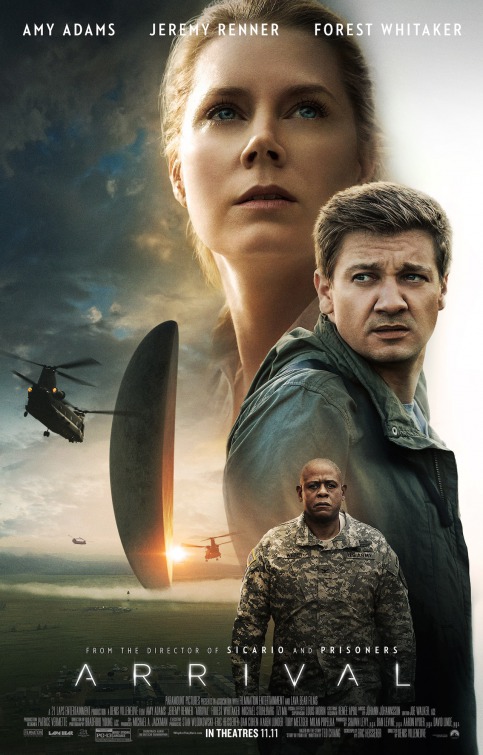
Ted Chiang’s “Story of Your Life” and its film adaptation “Arrival” explore time perception through non-linear storytelling, showcasing how language alters consciousness and perception, ultimately revealing alternative views of time.