-
Review: Why can’t climate change be funny and romantic, too?
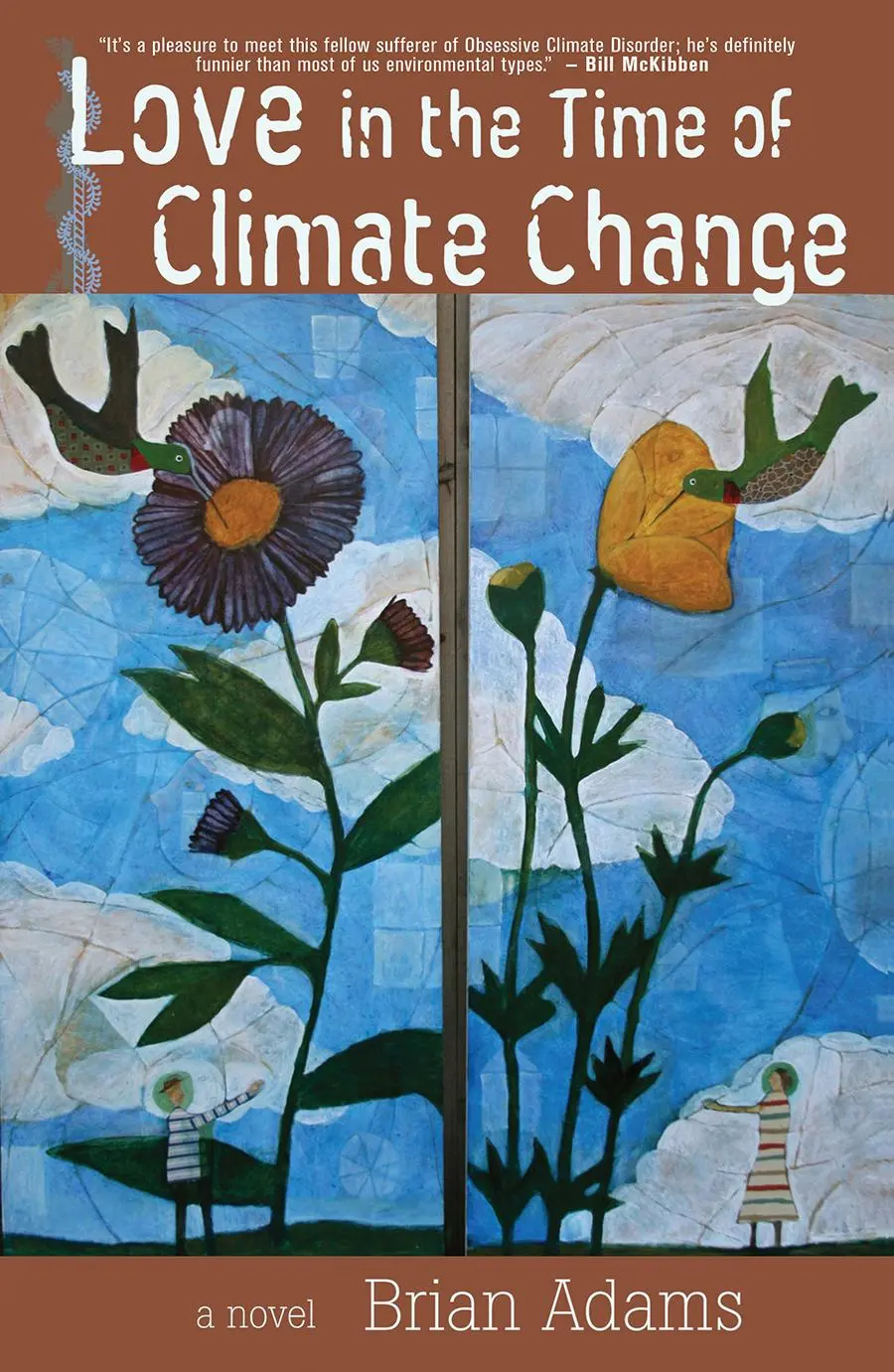
Brian Adams’ novel, Love in the Time of Climate Change, humorously explores environmental activism through a romance between a professor and a teacher, critiquing the serious tone often found in the movement.
-
Why Ursula K. Le Guin’s speech was misguided and wrong
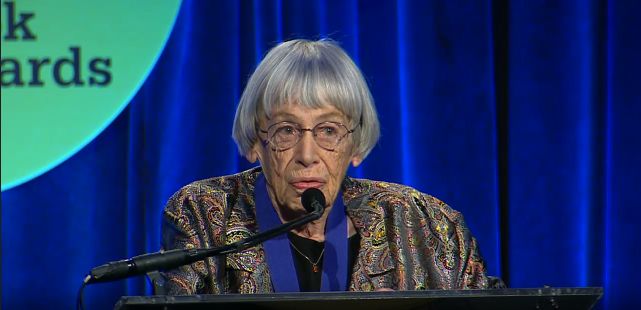
Ursula K. Le Guin criticized the publishing industry for prioritizing profit over art, yet the author questions her stance, suggesting that capitalism enables diverse literary expressions, benefiting both traditional and self-published writers.
-
Review: Has Game of Thrones reached its sell-by date?
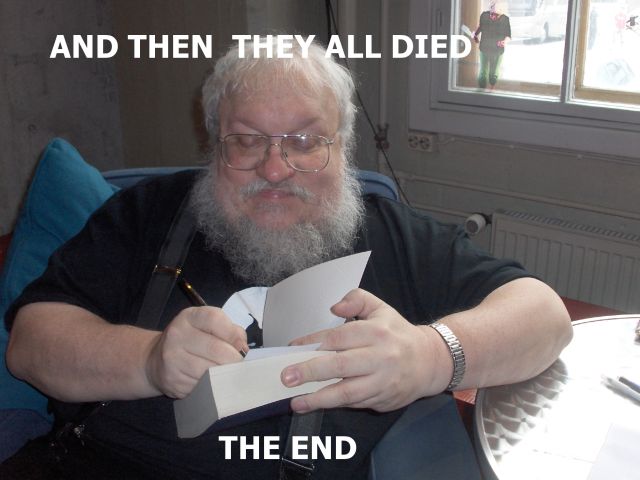
The review critiques George R.R. Martin’s A Dance With Dragons, pointing out its excessive length, lack of discipline, and repetitive storytelling while acknowledging some strong characters and vivid scenes.
-
Review: How “Interstellar” resembles “How the West Was Won”
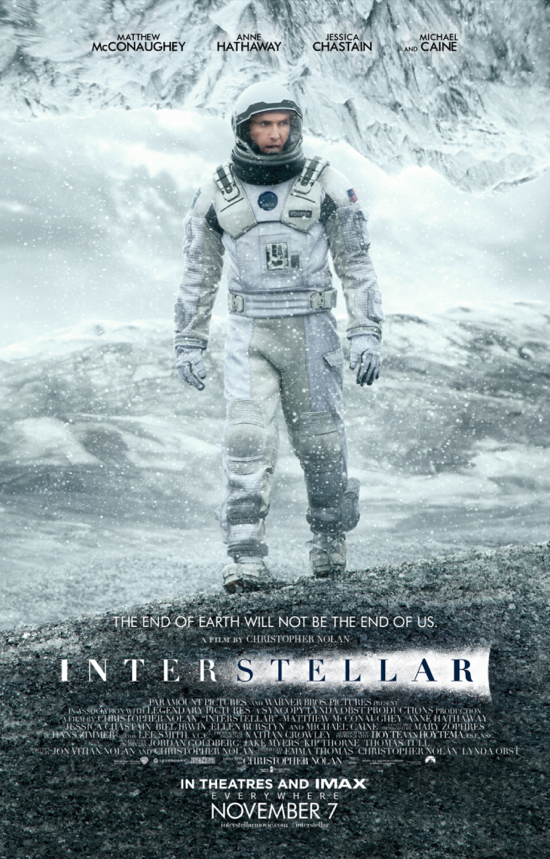
Interstellar, directed by Christopher Nolan, is an ambitious sci-fi film exploring themes of hope and survival amid ecological disaster. It struggles with Hollywood clichés but captivates with stunning visuals and emotional undertones.
-
Is fiction about climate change for real?
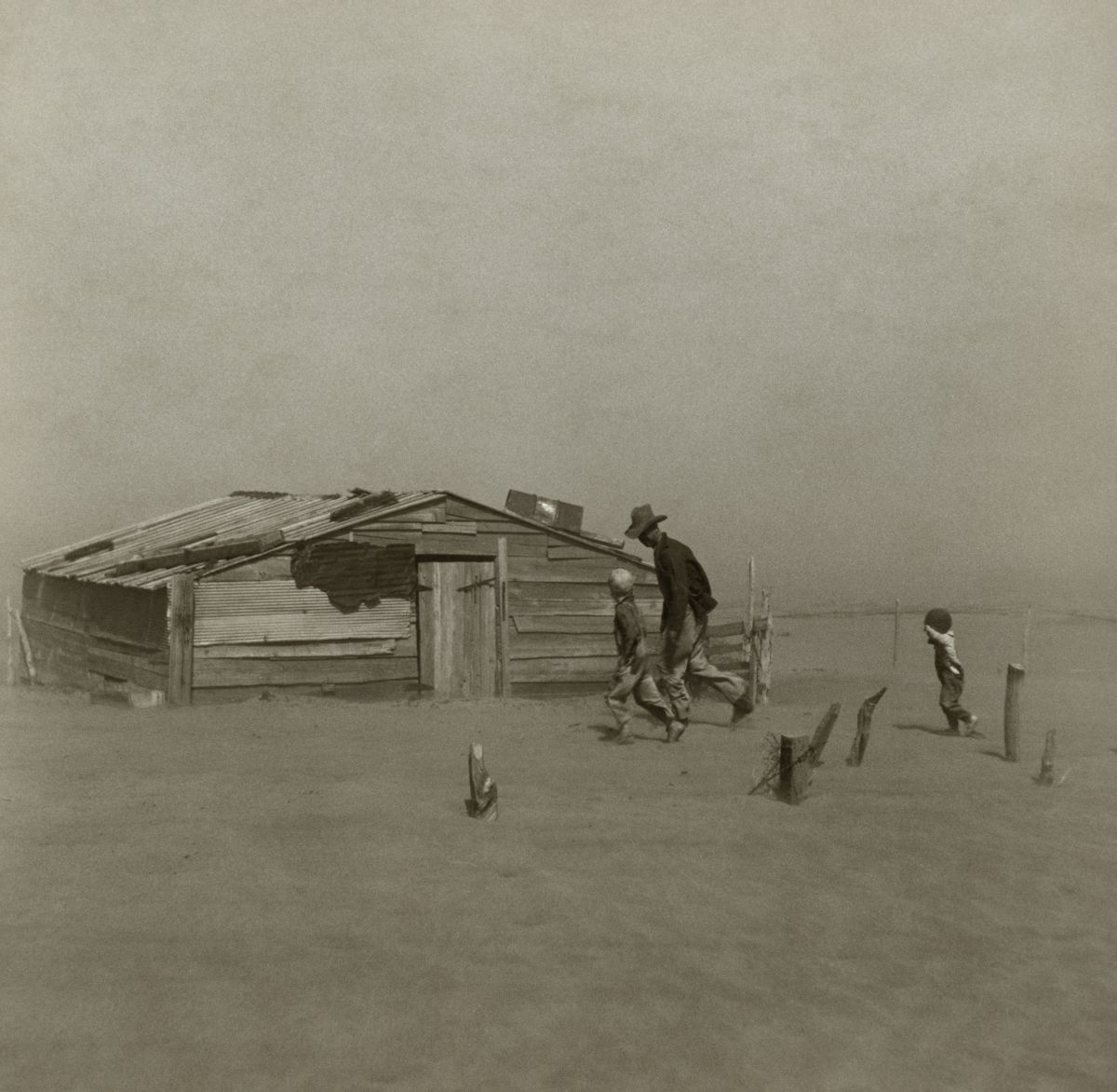
Interstellar, releasing November 7, portrays a future devastated by climate change. Discussing the emerging genre “climate fiction,” the piece reflects on artists addressing environmental anxieties through storytelling.
-
Why Amazon is a writer’s best frenemy

Is Amazon a writer’s friend or enemy? For self-published authors, Amazon opens new markets and publishing opportunities that traditional publishers reject. Yet the platform’s review system and policies can hurt sales. Amazon isn’t friend or foe—it’s a business partner with house rules writers must follow.
-
Utopia vs dystopia smackdown: Guess who wins.

Are dystopias depressing? The fact is, readers prefer dystopian novels, because they’re more interesting than utopian stories, most of the time.
-
Review: Peak oil fuels this dystopian survivalist novel

The text discusses Jennifer Ellis’ novel, highlighting its portrayal of a dystopian future shaped by climate change and societal collapse, focusing on complex human relationships amid crisis.
-
Review: Paolo Bacigalupi’s ‘The Windup Girl’ read as eco-fiction
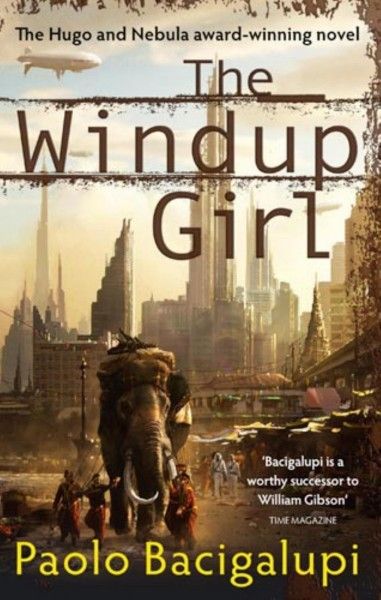
Many science fiction writers overlook Earth’s environmental issues; Bacigalupi’s The Windup Girl exemplifies eco-fiction addressing climate change and genetic manipulation.
-
Review: Mr Palin, to get at The Truth, dig deeper
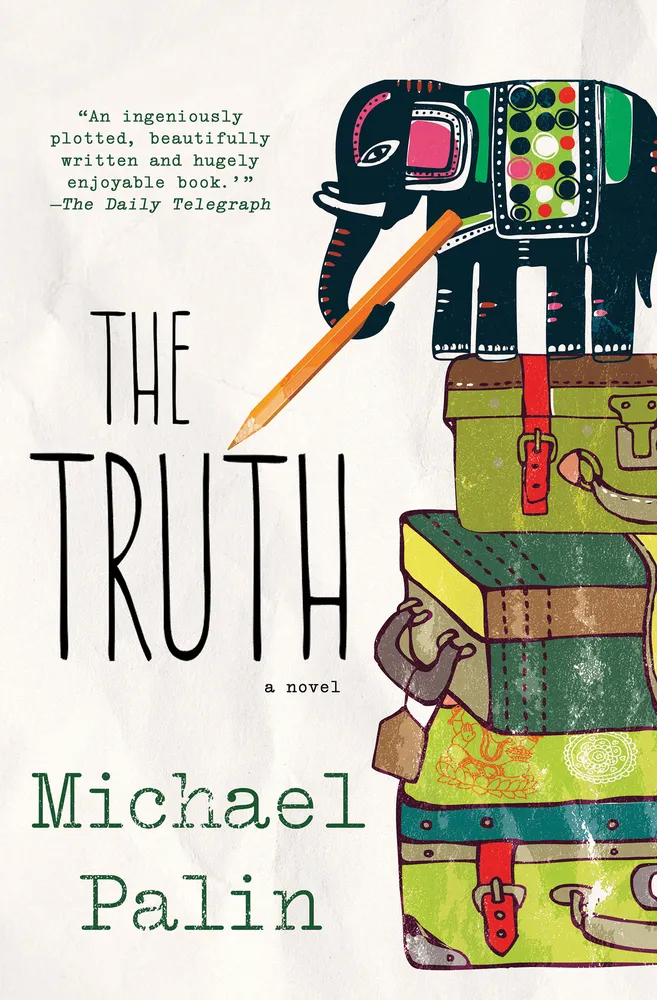
In The Truth, Michael Palin explores hero-worship through protagonist Keith Mabbut, an adrift writer who misunderstands truth while pursuing a murky biography of environmentalist Hamish Melville.
-
Review: Christopher Priest’s ‘The Adjacent’ is confusing, maybe unfinished
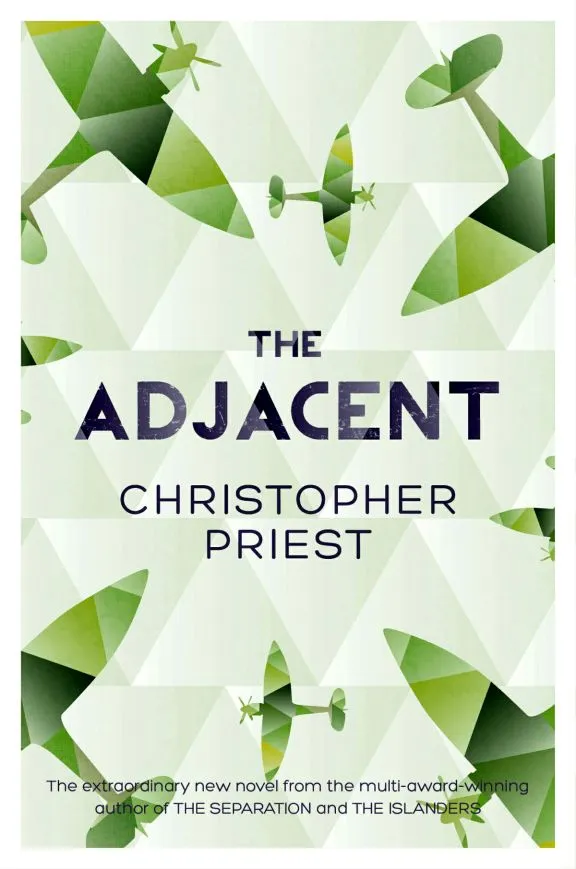
Cosmologists and fiction explore multiverses, paralleling realities, while Christopher Priest’s The Adjacent intertwines narratives but leaves many threads unresolved.
-
Is climate fiction a genre, a theme, a motif, or what?
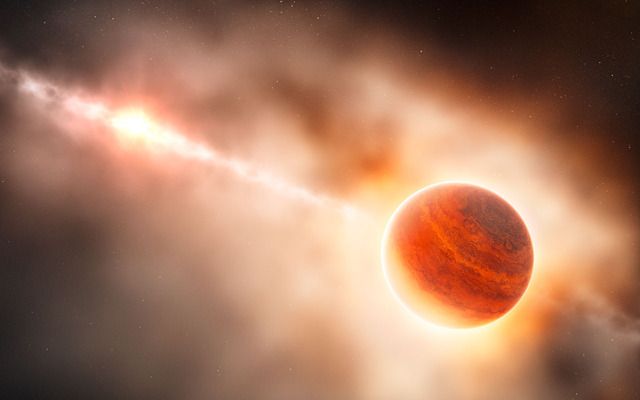
Dan Bloom, who coined “cli-fi,” explores climate fiction’s definition as a genre, theme, or motif, highlighting its focus on humanity’s environmental impact and potential for literary categorization.
-
Review: Is this book the first climate fiction novel ever?
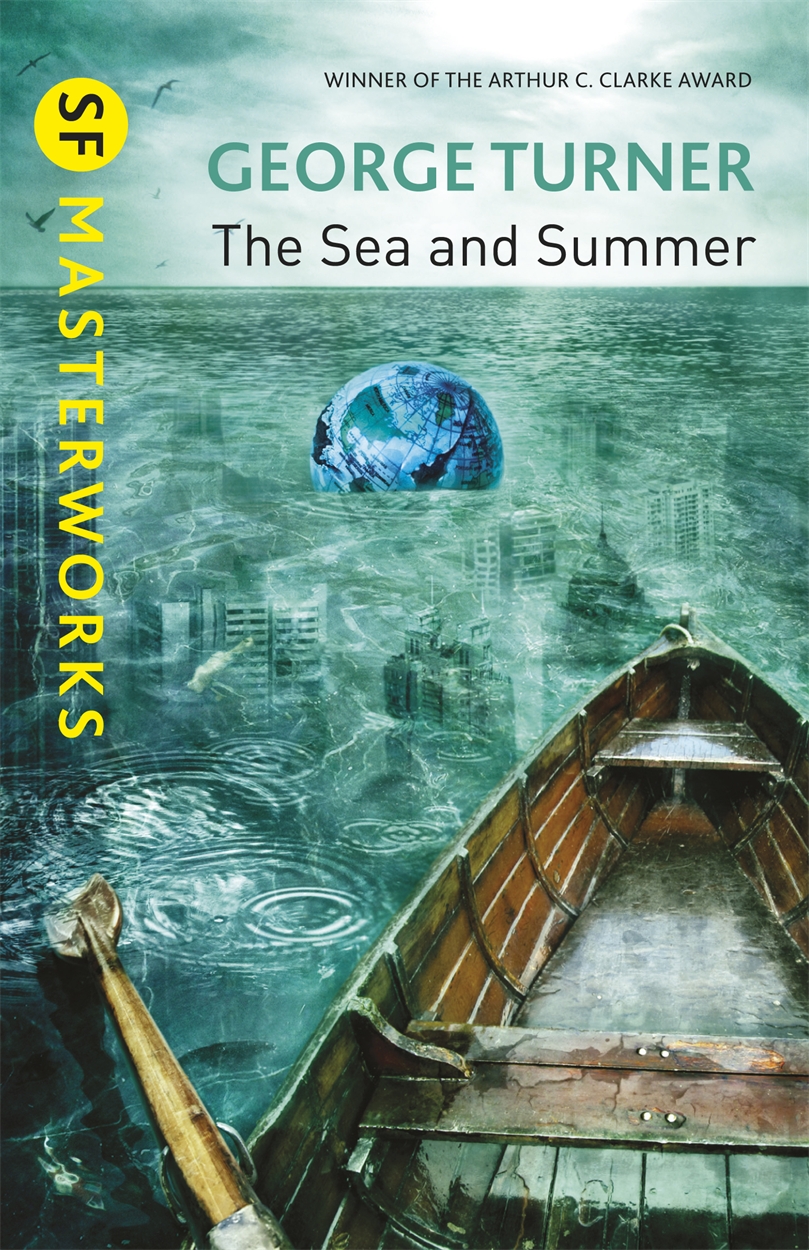
J.G. Ballard’s The Drowned World is cited as early climate fiction, while George Turner’s 1987 novel The Sea and Summer is recognized for addressing human-caused climate change and societal issues like income inequality.
-
Review: Lydia Millet’s ‘Pills and Starships’ is parts sci-fi and cautionary tale
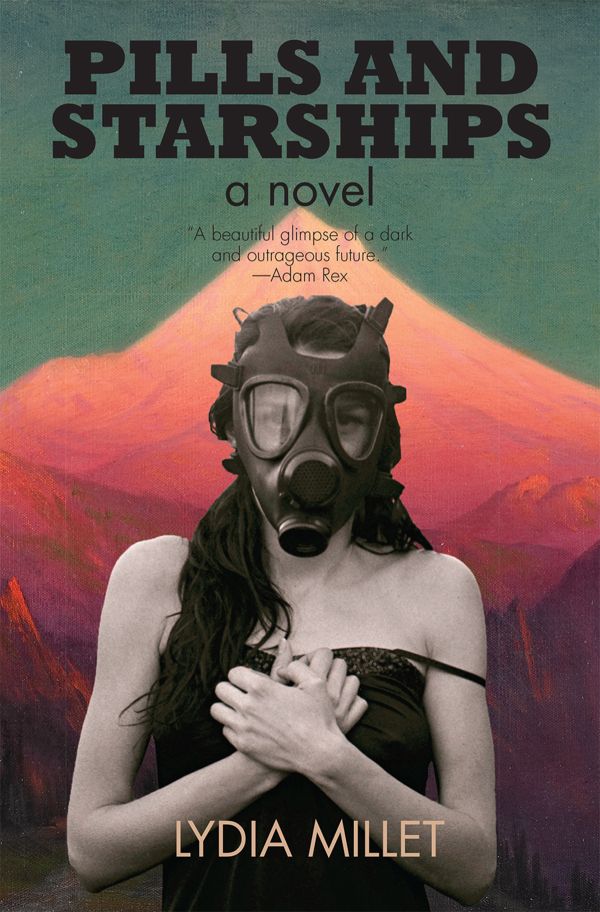
Lydia Millet’s “Pills and Starships” explores a dystopian future through teen Nat’s journey, reflecting on climate change and personal growth.
-
Homer’s Odyssey As An LGBTQ+ Road Trip: Review
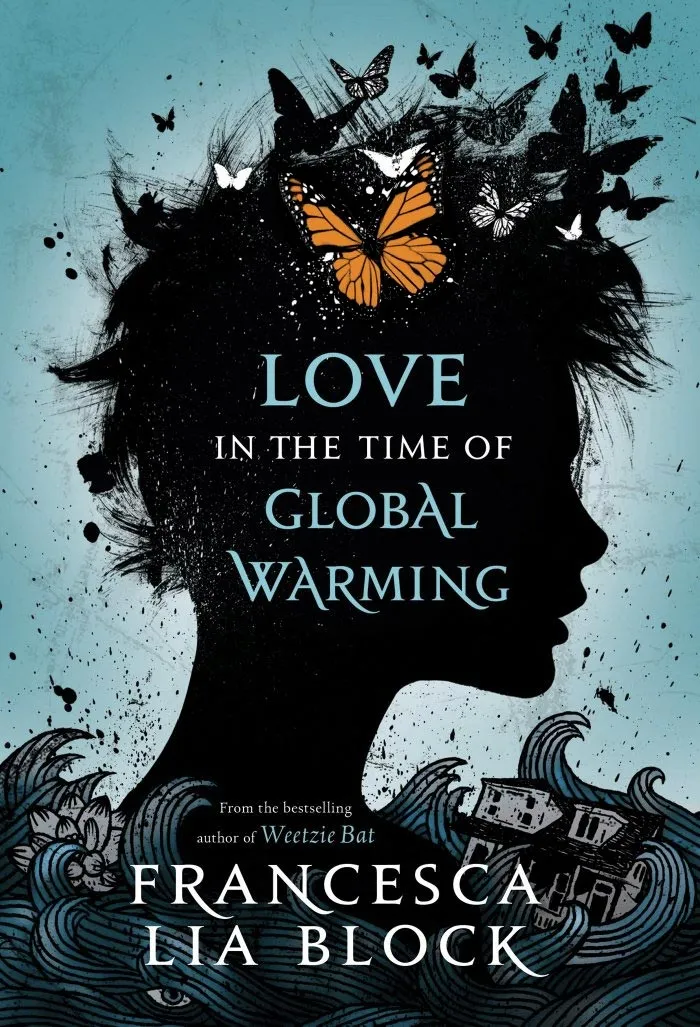
Francesa Lia Block’s novel reflects a teenage girl’s journey amidst global warming themes, echoing Homer’s Odyssey through modern adventures and challenges.
-
Review: Kim Stanley Robinson gives the cold shoulder to Antarctica

The review discusses Kim Stanley Robinson’s novel Antarctica, focusing on its exploration of climate change, politics, and human dynamics. It critiques character development and emphasizes themes relevant to contemporary environmental issues.
-
Review: A Being Darkly Wise is sometimes thrilling, sometimes pendantic
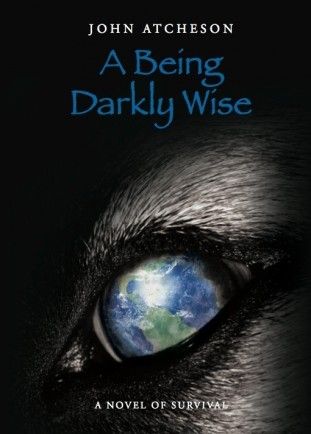
Environmentalists and religious devotees share intense dedication to their causes, explored through characters in Atcheson’s psychological thriller, A Being Darkly Wise.
-
Review: Emmi Itäranta’s ‘Memory of Water’ sings in the key of blue
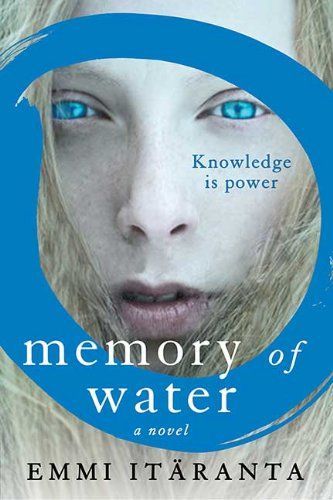
Memory of Water explores a dystopian future where fresh water is controlled by a tyrannical regime, highlighting Noria’s complex choices and resilience.
-
How to write a gripping news release for your new book

The author shares insights from their experience as a communications director, offering independent authors tips on crafting effective news releases to attract editor attention for their books.
-
How to abandon a draft without feeling like a failure
The author reflects on creative struggles, comparing a writing slump to a car breakdown, and emphasizes the importance of patience and starting over, drawing inspiration from F. Scott Fitzgerald’s advice.

J.G. Follansbee
Climate science fiction, fantasy fiction, maritime history, screenplays, short stories