-
Review: The utopian World We Made. Maybe.

Current artistic visions lean toward dystopia, reflecting societal pessimism about issues like climate change, contrasting with past optimistic portrayals. Porritt’s The World We Made offers a hopeful path forward.
-
Review: Shackleton’s Man Goes South has a queer combination

Shackleton’s Man Goes South, while ambitious, combines fiction and non-fiction on climate change but ultimately falls short in execution and coherence.
-
‘Cli-fi’ gains traction as new literary form

Dan Bloom discusses the emergence of “cli-fi” as a literary genre focusing on climate change, highlighting its growing popularity, the need for intelligent discourse, and its potential impact on environmental discussions and narrative forms.
-
Inspiration: Sci-fi Is About Now, Not Later

The author explores how science fiction reflects contemporary issues rather than predicting the future, emphasizing personal inspirations and societal themes.
-
He Said, She Said: Enough ‘said’

The verb “said” is a preferred way to attribute speech in non-fiction, but it doesn’t work in fiction. There’s too much “He said, she said” in fiction, when there are better kinds of dialog tags. I’ve had enough with “said.” Way back when I was first learning journalism, an editor told me never to use…
-
Climate fiction: Warming up to old ‘Cli-Fi’

The author revisits their unfinished novel “Carbon Run,” a cli-fi story exploring climate change’s effects, plans to revise it, and seeks reader input on favorite cli-fi tales.
-
Men crying: Tears with a frown

The article critiques male characters’ crying in media, arguing it undermines their believability. Emotion should build up without spilling over, as seen in classic characters like Kirk and Spock.
-
Young adult fiction: Character Sketches from Bet: Stowaway Daughter

(Author’s note: Bet: Stowaway Daughter was published in a second edition on 10/1/2025 titled The Stowaway’s Secret.) Here are some character sketches from my novel for young adults, Bet: Stowaway Daughter. Lisbet ‘Bet’ Lindstrom Lisbet “Bet” Lindstrom – As the daughter of an experienced sea captain, 13-year-old Bet is familiar with life at sea, but…
-
Historic Hawaii fishing boat broken up
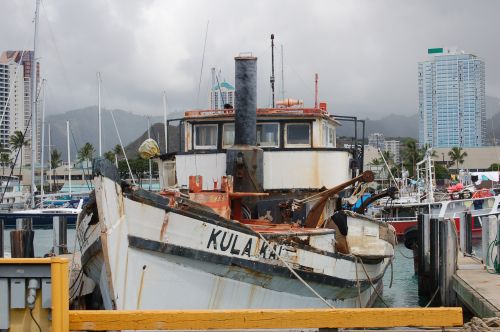
Preservationists in Hawaii have lost a battle to save Kula Kai, the last wooden fishing sampan in the state. The 80-foot Hawaiian fishing boat Kula Kai, launched in 1949, was a locally designed and constructed vessel that was the backbone of the state’s aku fishing fleet. Sampans caught tuna for canneries and fresh fish for…
-
Review: Washington inland water place names book

Richard W. Blumenthal’s book, Maritime Place Names, details the naming history of Washington’s waterways, featuring illustrations and historical charts.
-
Review: Hell Around the Horn is a helluva journey

Rick Spilman’s novel, Hell Around the Horn, explores maritime history, character stereotypes, and resilience amid dangerous sea conditions.
-
Review: DeWire Lighthouse Guide is a delight

Elinor DeWire’s book explores lighthouses in Alaska, Hawaii, and U.S. territories, revealing their histories and significance beyond popular coasts.
-
Review: Seattle sea captain’s memoir offers a unique perspective
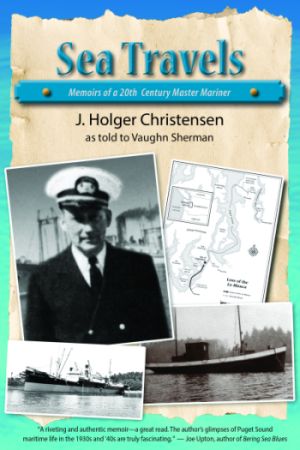
Sea Travels recounts Captain J. Holger Christensen’s adventurous life and captivating tales as a mariner, told through his nephew’s narrative.
-
Review: Gather the Shadowmen fictionalizes the American privateers

Benjamin Franklin’s diplomatic efforts included commissioning Irish privateers like Luke Ryan, who became a smuggler impacting America’s Revolutionary War.
-
Review: ‘Betrayal’ is book 13 of the Thomas Kydd series

Julian Stockwin’s Betrayal explores Kydd’s expedition to invade Buenos Aires, paralleling historical fiascos with unfulfilled character development and a disappointing ending.
-
Review: Columbia River dangers detailed in ‘World’s Most Dangerous’
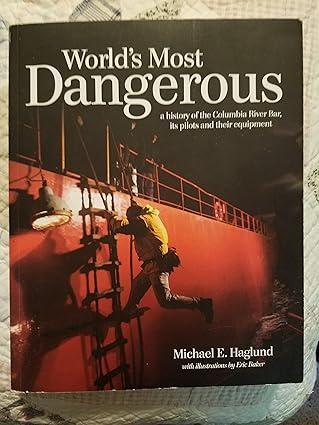
The book “World’s Most Dangerous” documents the perilous Columbia River Bar and the courageous pilots navigating its treacherous waters.
-
Review: Handling the Great Lakes ore freighters
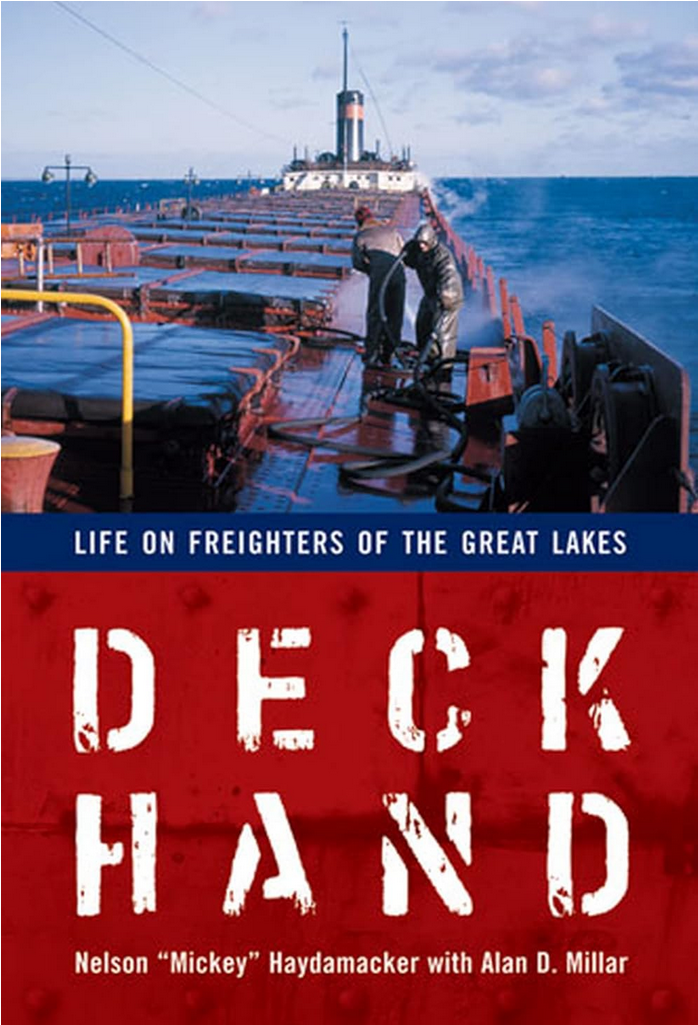
Nelson “Mickey” Haydamacker shares his memorable experiences as a Great Lakes deck hand in the engaging memoir “Deck Hand.”
-
Review: Breaking Ice for Arctic Oil, a Northwest Passage story
The book chronicles the SS Manhattan’s pioneering but economically unsuccessful voyage through the Northwest Passage, highlighting Arctic oil’s impact on shipping.
-
Review: Hidden history of Sealab as compelling as NASA’s story

Ben Hellwarth’s “Sealab” uncovers the overlooked history of saturation diving and pioneer George Bond, paralleling its abandonment with the stagnation of American manned space exploration despite early promises.
-
Review: History of America’s ‘sea soldiers’ is fascinating

The U.S. Marines, once referred to as “sea soldiers”, form one of the main fighting forces. The First Leathernecks is a hymn to the service’s earliest days. The modern image of the U.S. Marine Corps comes from World War II: young men in green camouflage fatigues storming the beaches of tiny islands in the south…

J.G. Follansbee
Climate science fiction, fantasy fiction, maritime history, screenplays, short stories