-
10 omens that auger self-publishing for your novel

Writers today consider self-publishing due to rejection issues, personal pressure, and past experiences influencing their publishing decisions.
-
Forgive yourself for giving away your writing

A prominent editor criticized Entertainment Weekly for exploiting aspiring writers by offering prestige instead of payment, arguing it undermines fair compensation and the quality of journalism, despite some potential benefits for writers.
-
Review: ‘Grumbles’ is a bit of humor at the greens’ expense
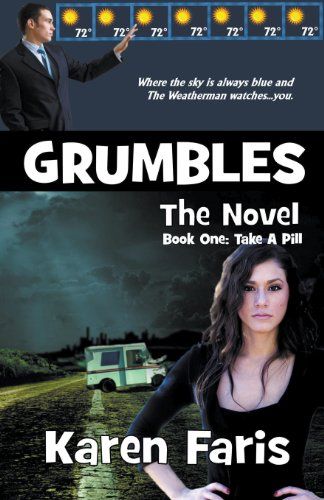
The novel “Grumbles: Take A Pill” humorously tackles serious environmental issues, blending satire with an engaging storyline about climate change.
-
Is Russell Crowe’s ‘Noah’ an allegory for climate change? (Review)

Darren Aronofsky’s film Noah reinterprets the biblical story, portraying Noah as a troubled leader reflecting on humanity’s destruction due to environmental negligence while incorporating modern moral themes aligned with climate awareness.
-
Review: A Wrong Turn at the (Australian) Office of Unmade Lists
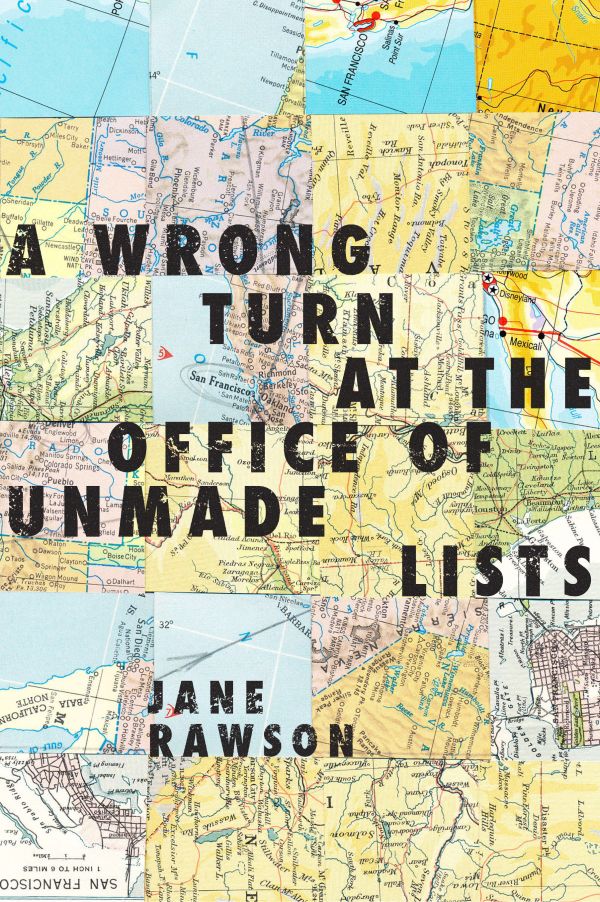
In this charming, but puzzling novel, Jane Rawson explores the Australian landscape post-climate change, which has become a fantastical world. I remember a lecture in a college philosophy class about a medieval scholastic who wrote that if you can imagine something, it’s possible for it to become real. The artist Picasso took the idea a…
-
Review: Lisa Devaney’s ‘In Ark’ warns against a benign eco-ideology
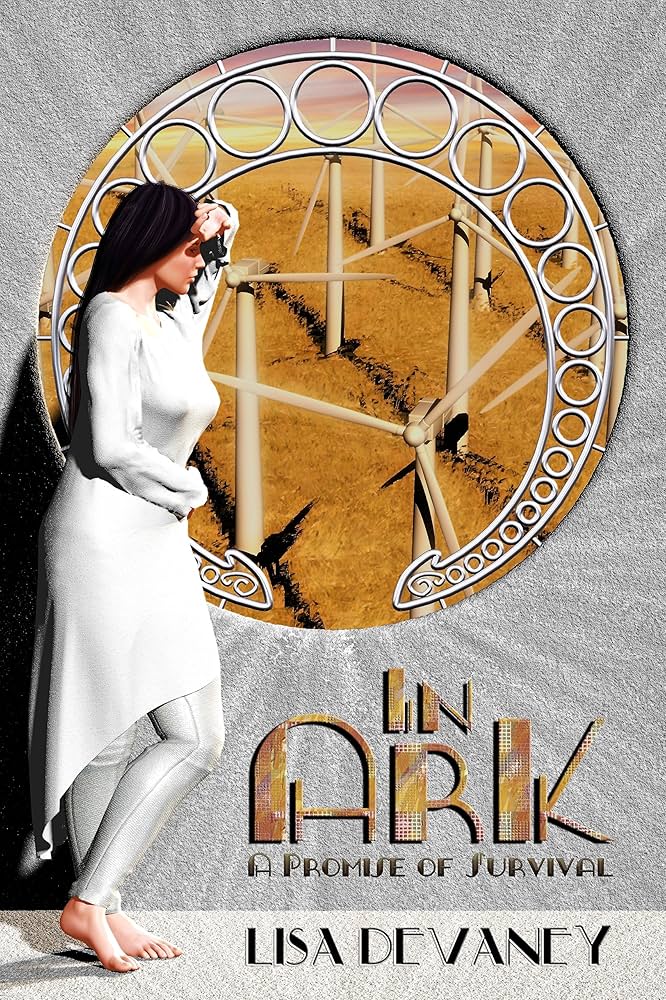
Climate fiction explores dystopian futures shaped by climate change, with Devaney’s “In Ark” illustrating the dangers of isolationist ideologies.
-
Wawona: Remembering the last man of a ship’s final crew

Dave Wright, the last fisherman of the schooner Wawona, passed away, marking a significant loss in Pacific Northwest history.
-
3 ways to cope with literary critics without losing your mind

Writers often face harsh criticism, with critics nitpicking details rather than providing constructive feedback. Developing resilience and separating personal feelings from reviews is crucial for coping with criticism.
-
Three things Raymond Chandler taught me about writing

The author reflects on insights gained from Raymond Chandler’s writing while revising their sci-fi novel. They admire Chandler’s dialogue, character descriptions, and simile use, finding inspiration for their own work.
-
Review: ‘Fleet’ revives sci-fi’s nautical tradition
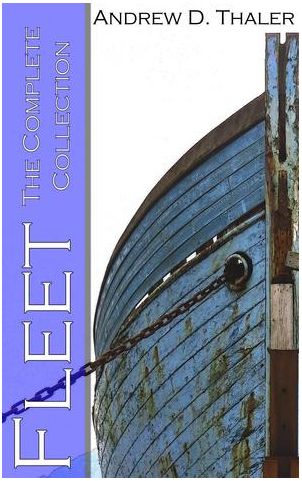
Science fiction’s nautical tradition, highlighted by Jules Verne and diminished by films like Waterworld, is rejuvenated by Andrew D. Thaler’s Fleet.
-
Review: Zachary Bonelli’s Voyage: Embarkation
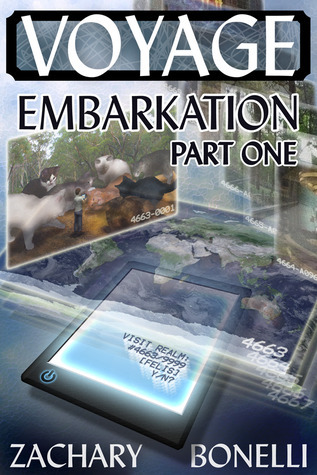
Zachary Bonelli’s Voyage: Embarkation chronicles a boy’s adventures on an alternate Earth, showcasing the author’s evolving writing style and themes.
-
Random and messy: What writing process?
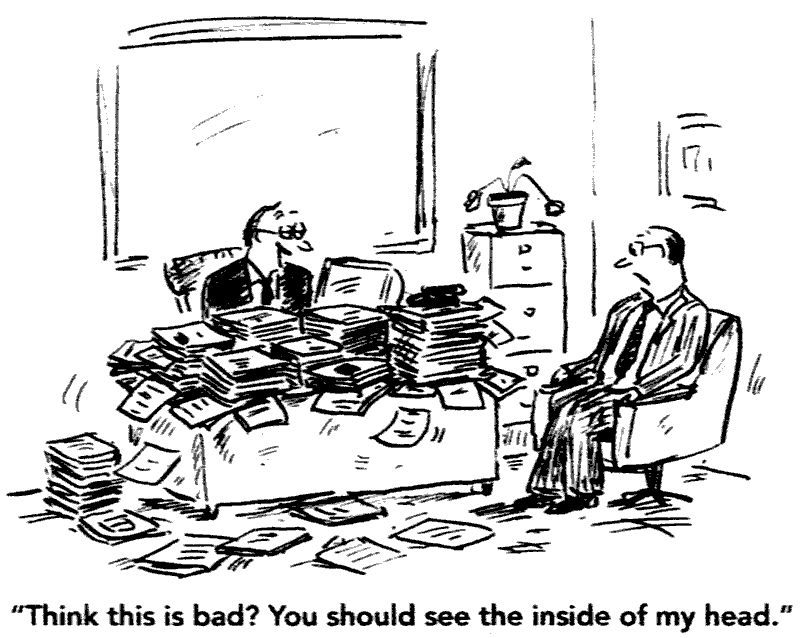
The author humorously reflects on the chaotic nature of their writing process, contrasting expectations of order with the reality of disorder and randomness that defines their creativity.
-
Thoughts on the climate fiction genre from a writer and publisher
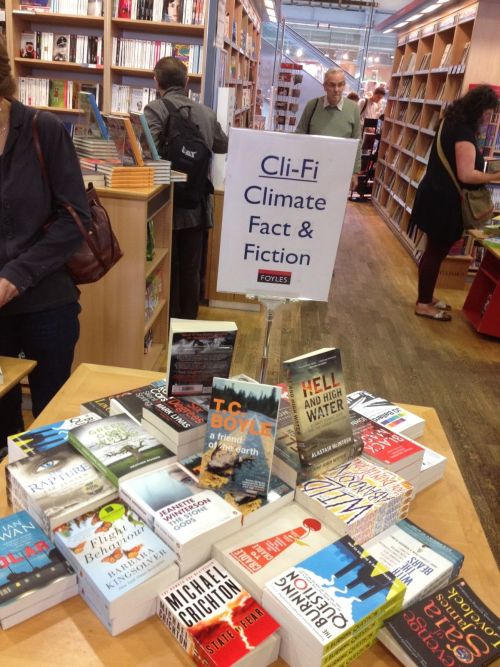
Mark Nykanen, author of Primitive, Carry the Flame, and other environmentally themed novels, and Mary Sands Woodbury, editor at Moon Willow Press, offered their thoughts on climate fiction and its future in publishing.
-
Six rules for putting climate change into your fiction
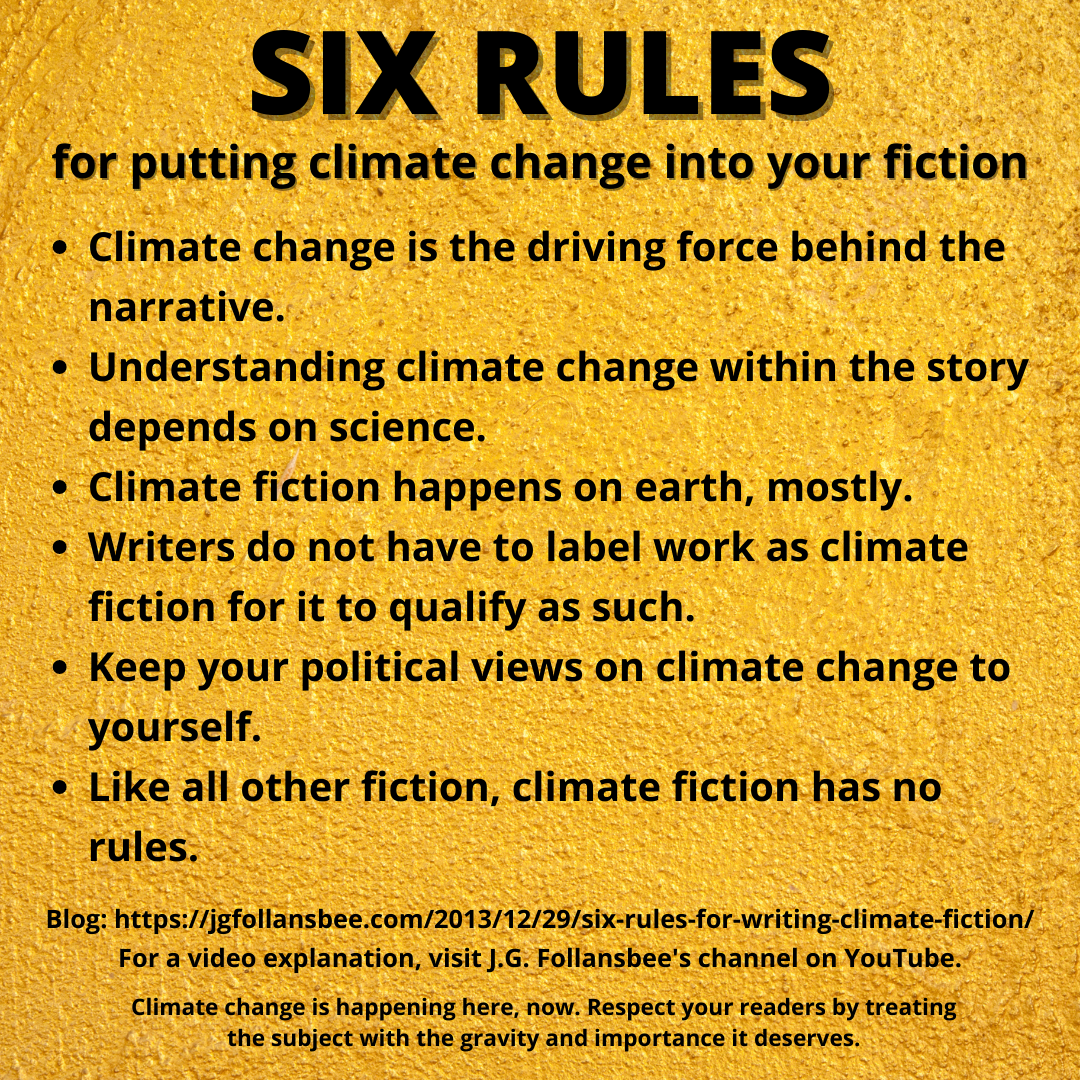
Climate fiction focuses on long-term climate change impacts on society, rooted in science. Writers are encouraged to explore creativity without strict rules while maintaining relevance to Earth’s challenges.
-
Is the story of Noah a divine warning on climate change?
The upcoming film “Noah,” starring Russell Crowe, offers a modern reinterpretation of the Biblical flood story, highlighting themes of climate change and humanity’s responsibility, igniting discussions on its relevance today.
-
Tradewinds Kingfisher: Historic fishing boat broken up
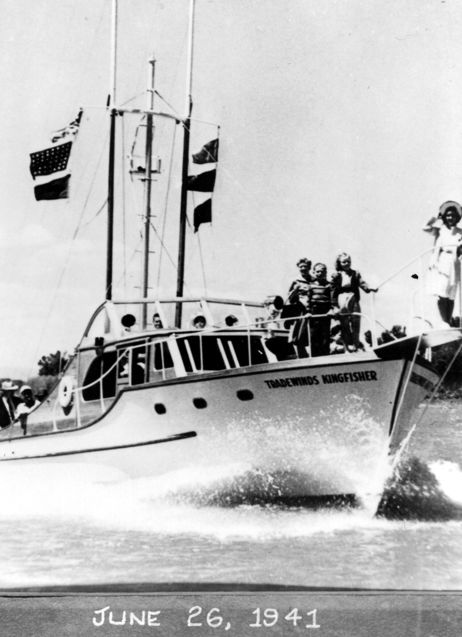
The Lincoln County Historical Society demolished the historic Tradewinds Kingfisher boat due to deterioration and environmental concerns, despite restoration efforts.
-
Review: SeaBEAN a high-tech environmental fantasy
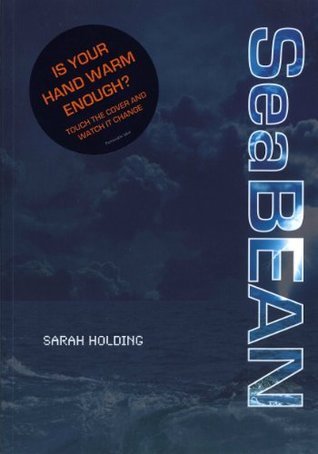
SeaBEAN is a children’s sci-fi novel about environmental stewardship, featuring adventures of a girl using a high-tech classroom device.
-
Review: 6 speculative stories are a ‘Hot Mess’

Hot Mess showcases six speculative stories on climate change’s impact, blending dystopia, satire, and emotional narratives to explore adaptation.
-
Review: Water’s Edge is a plausible YA climate yarn

Rachel Meehan’s novel Water’s Edge transforms abstract climate change concepts into relatable narratives, depicting its profound effects on human relationships and communities.

J.G. Follansbee
Climate science fiction, fantasy fiction, maritime history, screenplays, short stories