-
Review: Gold Fame Citrus is tangy, acidic, and tasty

The post discusses Claire Vaye Watkins’ debut novel, “Gold Fame Citrus,” set in a desolate, dystopian Southwest. It explores themes of environmental degradation and human resilience amidst extreme conditions.
-
How writers can read The Grapes of Wrath as climate fiction
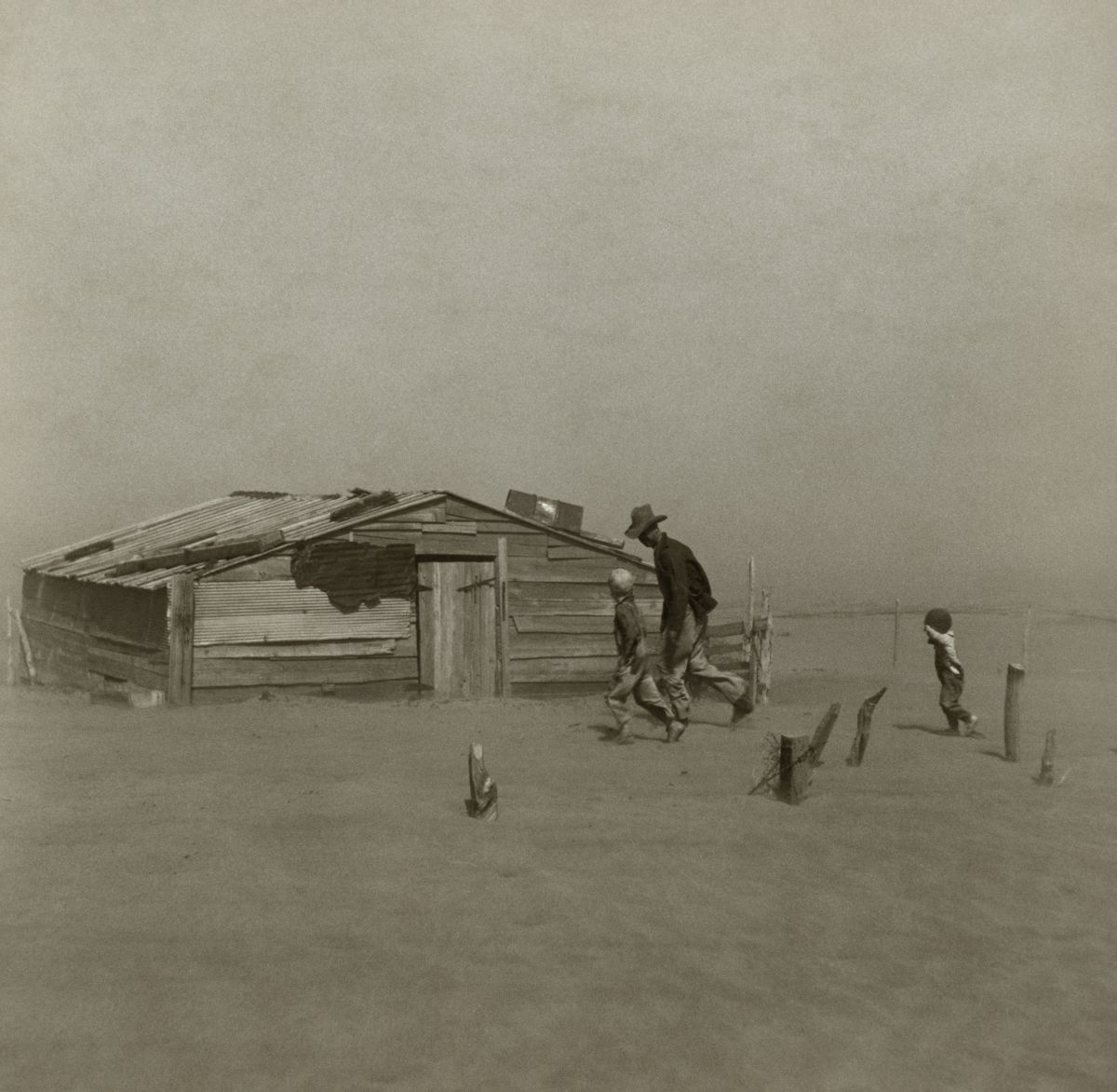
The article examines how Steinbeck’s The Grapes of Wrath, through the Joad family’s experiences during the Dust Bowl, reflects the potential consequences of climate change and mass migration.
-
Why The Martian’s success probably won’t spawn a sequel

The author discusses why The Martian should not have a sequel, emphasizing the film’s unique narrative, its successful avoidance of Hollywood clichés, and the need for more optimistic storytelling in science fiction.
-
Why I would fail at an Amazon job, and other likely misfortunes

The author reflects on his ten years remaining in the workforce and considers career options with Microsoft, Starbucks, and Amazon, ultimately dismissing them.
-
Review: The Subprimes is primo satire
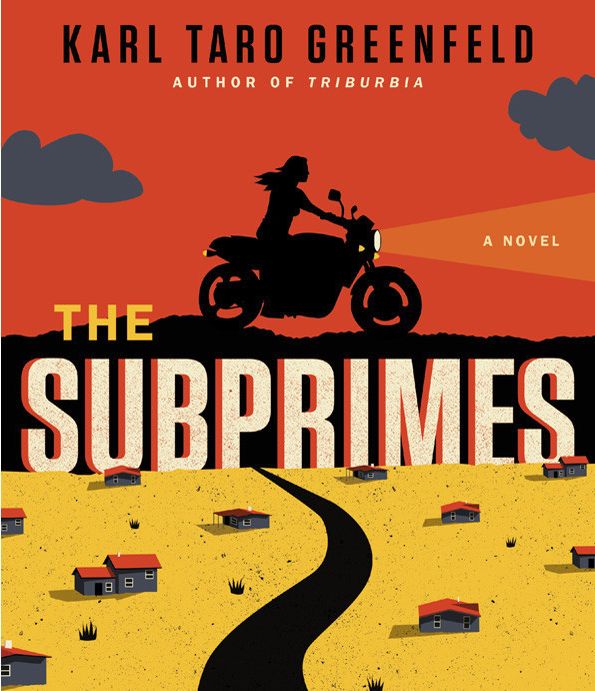
Karl Taro Greenfeld’s The Subprimes presents a satirical economic dystopia where libertarians thrive amid environmental collapse, exploring themes of justice, community struggle, and the impact of the 2008 recession.
-
More skirmishes in the genre wars

The genre wars in science fiction, particularly between traditionalists and inclusives, highlight the absurdity of classifications, emphasizing that genres often lack meaningful definitions and distract from storytelling.
-
Review: “After Water” radio stories put climate in a new light
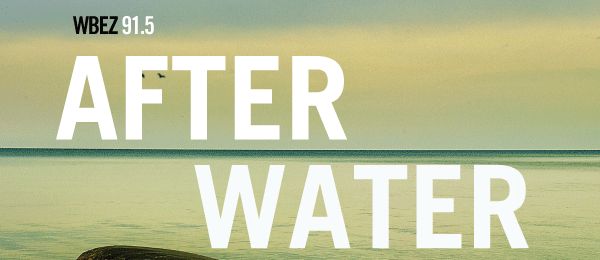
WBEZ-FM’s anthology, After Water, explores climate change’s impact on society through speculative fiction, presenting engaging stories that intersect science and art, while addressing social issues and the future of water.
-
Mad Max: Fury Road sputters, despite its feminist cred

Mad Max: Fury Road gets a lot of feminist buzz, but this reviewer wonders if the chatter has overwhelmed a pedestrian film with political high-fives. My college-age daughter Emily and I saw Mad Max: Fury Road over the weekend and we left the theater wondering what all the fuss is about. Film review aggregator Rotten…
-
Review: The Water Knife is bleak, but uncomfortably possible

Paolo Bacigalupi’s The Water Knife invites us to imagine a drought like no other, in which the lack of water brought on by climate change disrupts life from beginning to end. The western drought has forced everyone to know their rights. From San Diego to Seattle, talk shows, newspapers, and blogs overflow with debates over…
-
Review: Ex Machina and the amoral machine

The movie Ex Machina owes much to Mary Shelley’s Frankenstein as it grapples with the notion of machines understanding right and wrong. Spoilers ahead… The key moment of Ex Machina arrives when eccentric tech CEO Nathan Bateman tells Caleb Smith, his employee, why the young programmer was selected to deliver a sophisticated Turing test on…
-
Review: Why aren’t ‘serious’ writers writing about climate change?
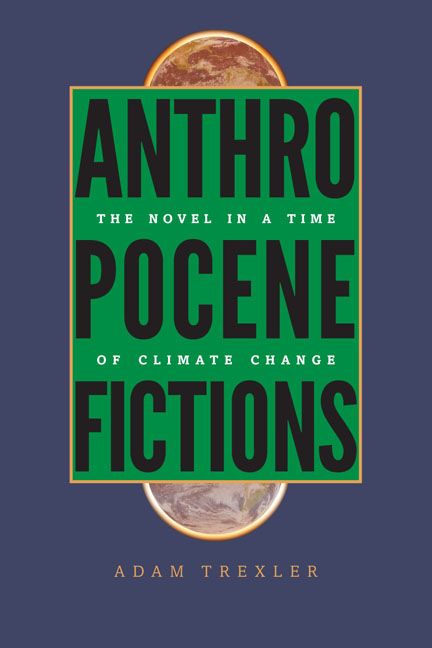
Adam Trexler argues that while climate change dominates discussions, fictional narratives are scarce. He critiques the literary world’s neglect of novels that convey climate challenges and emotions, advocating for compelling storytelling.
-
Is Seattle the ‘New Space’ Capital of the USA?
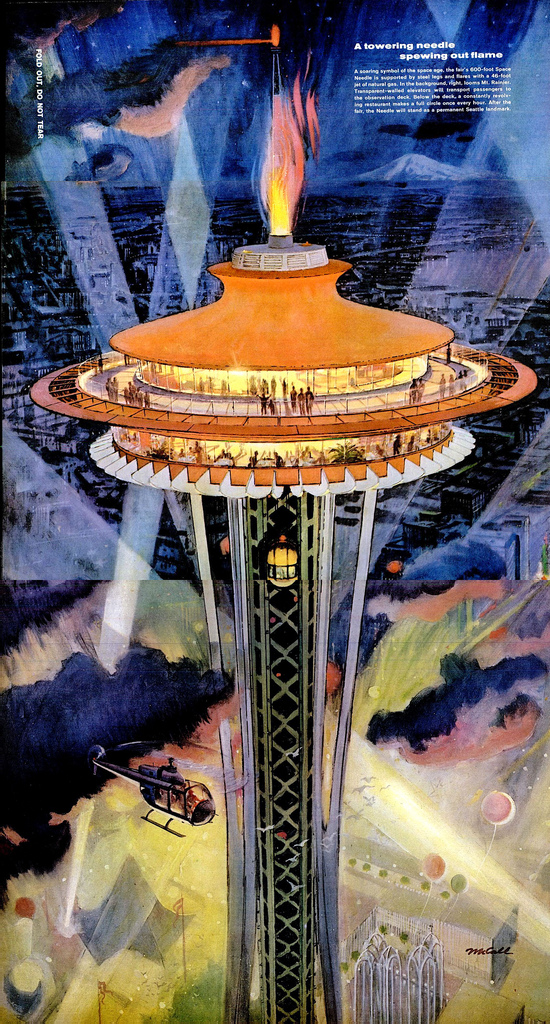
Cape Canaveral’s dominance in space exploration is challenged by Seattle, home to a growing “new space” sector with 80,000 workers, aiming to capture the commercialization of space amid infrastructure challenges.
-
Who are the new heroes of the Space Age?

The 1960s astronaut heroes have faded, replaced by entrepreneurs like Musk. While innovative, today’s figures lack the life-risking heroism of past astronauts, raising questions about modern heroic ideals in space exploration.
-
Review: Clade shows love and hope are timeless in a changing climate

James Bradley’s “Clade” melds climate change with human relationships, illustrating personal struggles against a backdrop of environmental shifts, emphasizing the enduring nature of humanity amid slow, profound transformations.
-
Why science fiction writers should reveal their inmost selves

The author critiques a mystery novel for its overly polite characters who avoid expressing true emotions. True fiction should explore desires and fears honestly, revealing deeper truths about human nature.
-
The new emerging hierarchy of publishing legitimacy
A new legitimacy hierarchy is forming among independent writers, where traditional publishing is viewed as the pinnacle for artistic status, despite the difficulties of securing a contract compared to self-publishing options.
-
Restoring the environment is a good thing. Or maybe not?
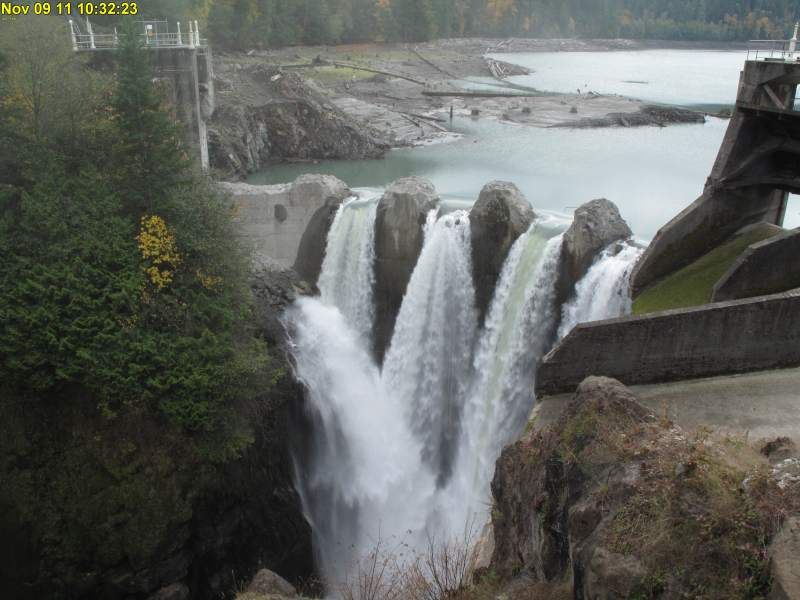
Speculative fiction challenges societal values, particularly environmentalism. The removal of the Elwha River dams illustrates this shift toward restoration, raising complex questions about who benefits and who suffers.
-
Why is it so hard to save our maritime heritage?
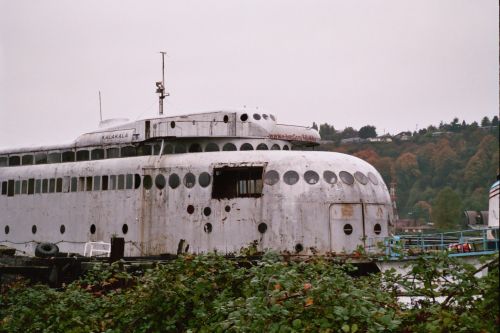
The Kalakala ferry, an iconic art-deco vessel, is set for demolition after years of neglect and failed restoration dreams, highlighting the ongoing struggle to preserve historic maritime heritage.
-
Review: Nature’s Confession an impressive sci-fi epic for young adults

Nature’s Confession blends young adult romance and speculative fiction, exploring themes like love, family strife, and environmental degradation, with humor and satire reminiscent of classic literary works.
-
Review: Why can’t climate change be funny and romantic, too?
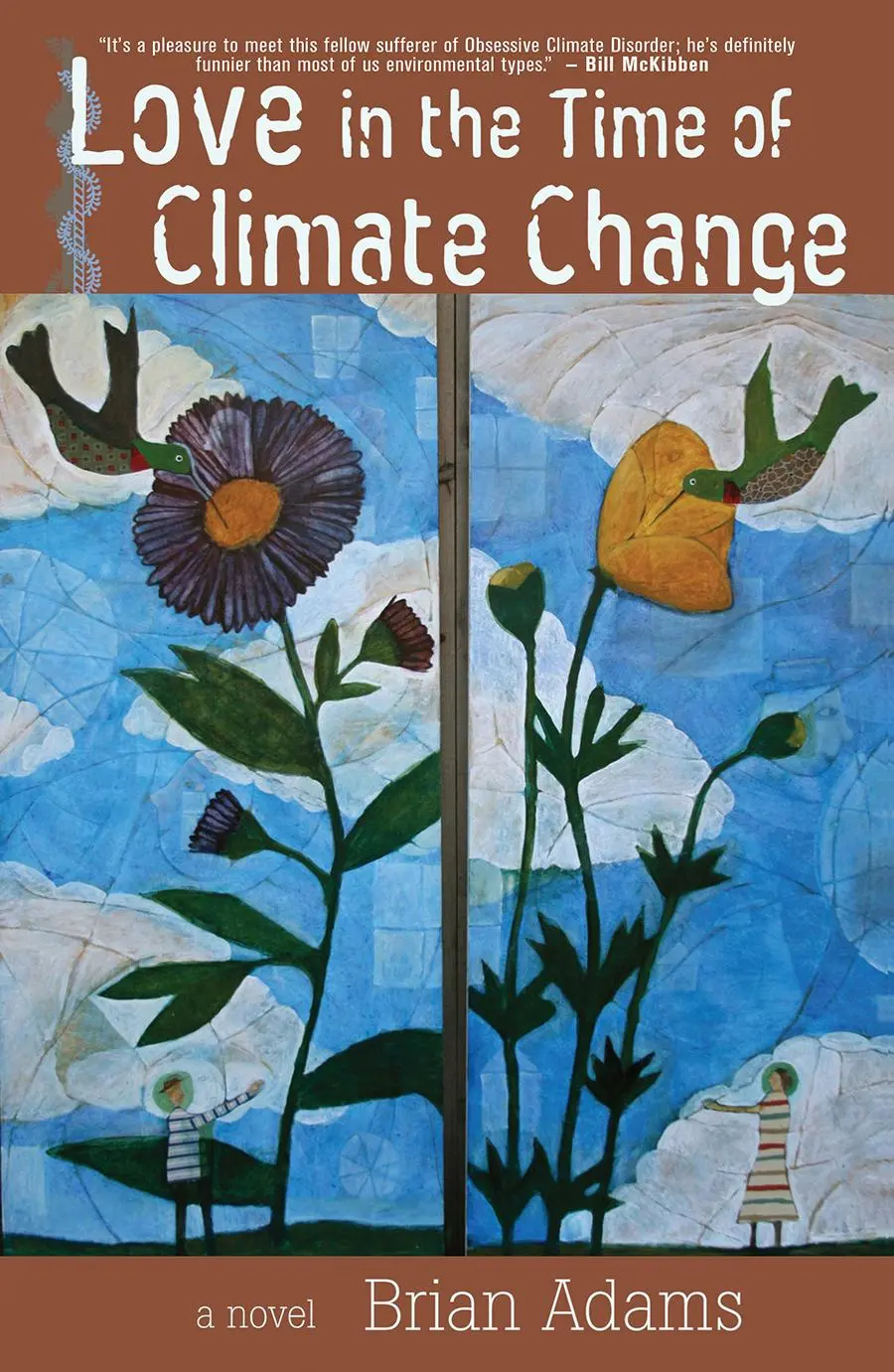
Brian Adams’ novel, Love in the Time of Climate Change, humorously explores environmental activism through a romance between a professor and a teacher, critiquing the serious tone often found in the movement.

J.G. Follansbee
Climate science fiction, fantasy fiction, maritime history, screenplays, short stories