
Tag: science fiction
-
Five Questions: D.F. Lovett, author of The Moonborn

D.F. Lovett, a Minneapolis author, released his debut sci-fi novel, The Moonborn, inspired by Moby-Dick. He writes for What Would Bale Do and is exploring various fiction projects.
-
Five Questions: Aaron Ward, author of Upriver, Downriver

Aaron Ward, debut author of Upriver, Downriver, shares insights on his writing journey and the challenges of self-publishing in an interview series for authors.
-
Robert A. Heinlein’s Starship Troopers and the veneration of veterans

The election of Donald Trump inspired book lovers to explore dystopian fiction, particularly Heinlein’s Starship Troopers, highlighting the glorification of veterans and its implications for societal power dynamics.
-
Five Questions: Elizabeth Guizzetti, author of The Grove

The blog introduces a new feature called Five Questions, starting with author Elizabeth Guizzetti. She discusses her writing journey, advice for new authors, and upcoming projects.
-
Black Mirror: I’ll remember ‘Shut Up and Dance’ until I’m dead and buried.

Black Mirror’s greatness lies in memorable moments, particularly from Season 3, like the haunting conclusion of “Shut Up and Dance,” which elicits deep reflection on accountability and consequences in a digital age.
-
Aliens, linguistics, and disruptive storytelling make Arrival must-see sci-fi
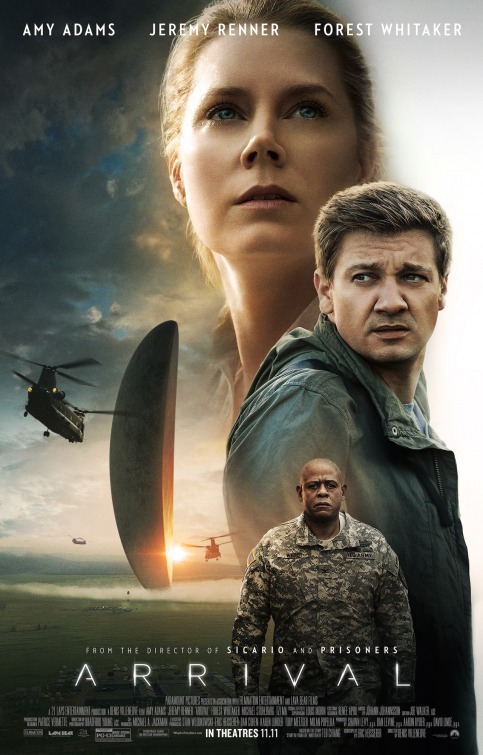
Ted Chiang’s “Story of Your Life” and its film adaptation “Arrival” explore time perception through non-linear storytelling, showcasing how language alters consciousness and perception, ultimately revealing alternative views of time.
-
Ted Chiang’s sci-fi genius arrives with laser-like precision

The article discusses Ted Chiang’s acclaimed collection, “Stories of Your Life And Others,” highlighting his precision in writing and the profound themes in stories like “Story of Your Life,” which inspired the film Arrival.
-
Reviews: It’s true. Ann Patchett’s State of Wonder is science fiction.
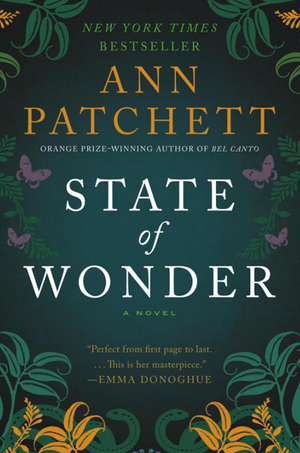
Writers often resist genre categorization, yet it aids readers. Ann Patchett’s State of Wonder blends science fiction with literary themes, revealing significant elements that enhance its narrative despite some structural issues.
-
Are we creating the dystopia we’ve always feared?

The opening of Star Trek: Beyond and Trump’s nomination highlight contrasting American perspectives on optimism and pessimism about the future, reflecting societal beliefs about technology, governance, and potential dystopia.
-
Review: Augments of Change salient in a time of racial tension
In a time of racial tensions and national reckoning with uncomfortable pieces of our history, Augments of Change attempts to satirize race, noting that it’s mostly an illusion. America is going through another paroxysm of racially tinged violence, reminding everyone of our failure to reconcile our history with our ideals. In my own lifetime, the…
-
The Girl in the Road: Literary fiction with a sci-fi overlay

Monica Byrne’s The Girl in the Road intertwines two women’s journeys in a future shaped by climate change, exploring technology’s role in economic colonialism while challenging dominant narratives and human resilience.
-
Review: In Hieroglyph, sci-fi exists to explore the possibilities of change

Science fiction reflects societal hopes and anxieties, evolving from optimism to realism. The anthology Hieroglyph seeks to inspire and debate sci-fi’s purpose, focusing on human experiences amid technological advancements.
-
Review: The appropriated world of The Guild of Saint Cooper
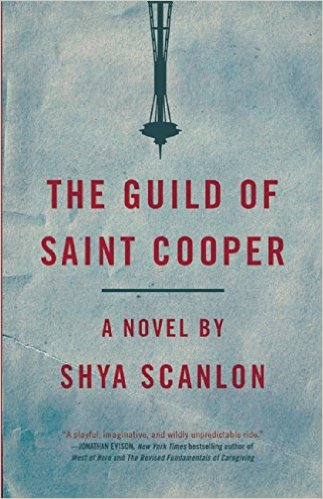
The text discusses cultural appropriation in art, focusing on Shya Scanlon’s novel inspired by David Lynch’s work. It questions originality, highlighting characters and narrative style while exploring theft versus influence.
-
Planet Nine: I want to believe

Rod Serling’s The Twilight Zone exemplifies the blurred lines between reality and fantasy, much like the ongoing discourse around the hypothesized Planet Nine, igniting belief and skepticism in scientific discovery.
-
What Catholic science fiction writers can learn from Mormon writers
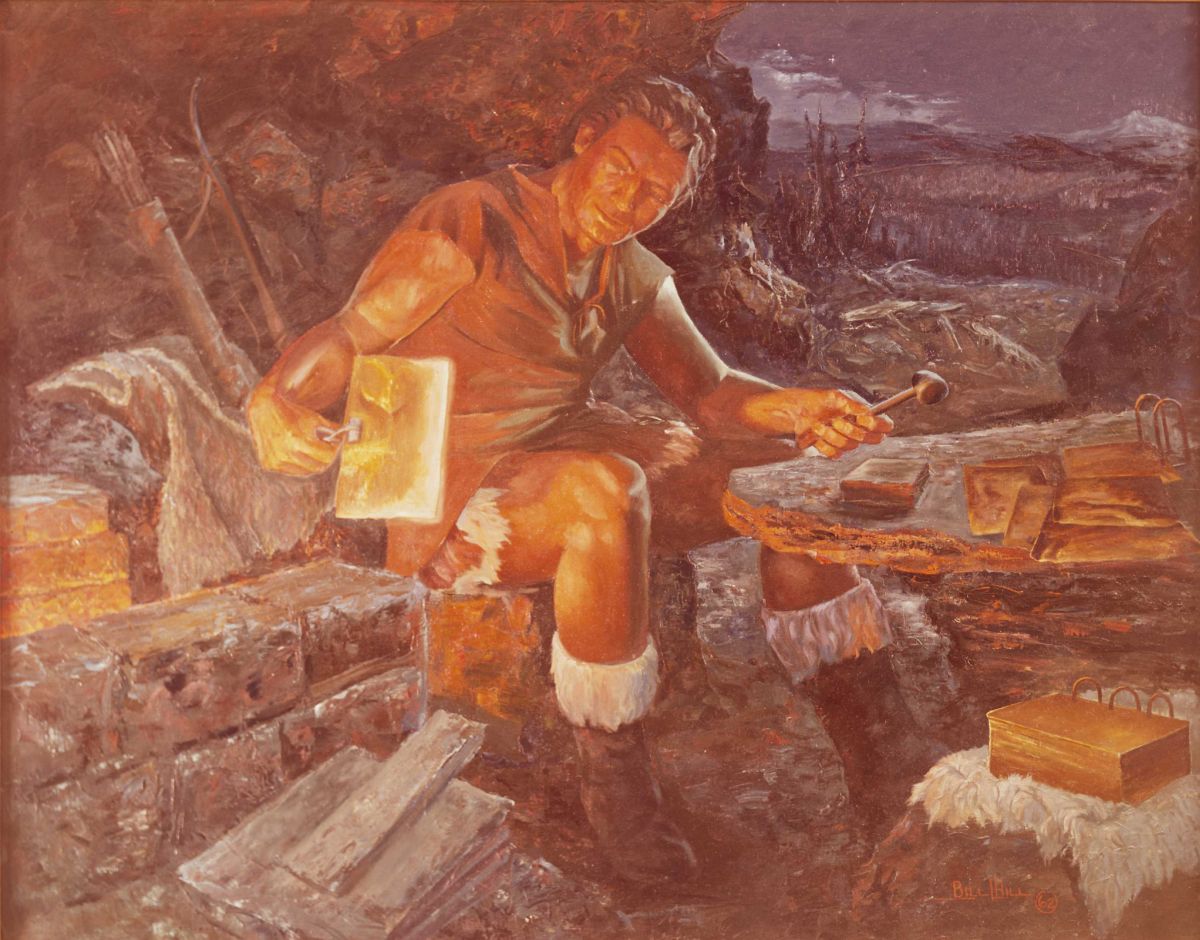
The article explores the strong connection between Mormonism and science fiction, highlighting how both the Mormon and Catholic backgrounds inspire imaginative storytelling, showcasing notable authors and religious influences on the genre.
-
What is the role of a writer as climate change creeps up on us?
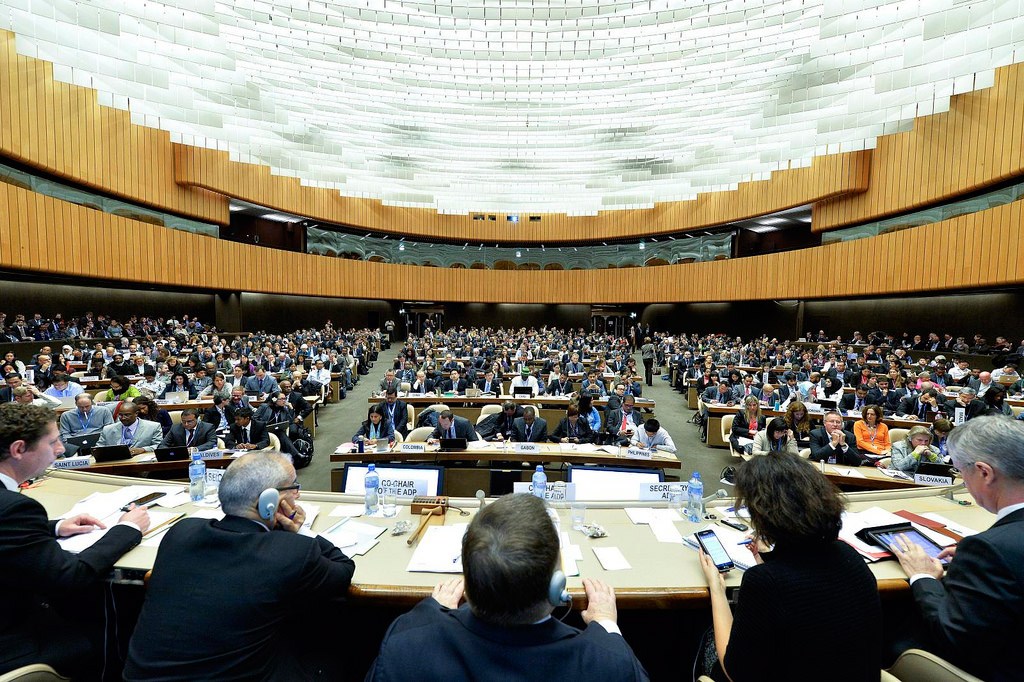
The author reflects on COP21’s significance amidst climate change while expressing a mix of fear and fascination about future consequences. Their fiction explores adaptation to inevitable environmental changes without promoting alarmism.
-
Is Microsoft co-opting sci-fi’s techno-optimism vs skepticism debate?

High-profile science fiction writers criticize the dark themes of modern sci-fi, while corporate interests, exemplified by Microsoft’s project, dilute artistic integrity and credibility, favoring a commercialized vision of the future.
-
How writers can read The Grapes of Wrath as climate fiction
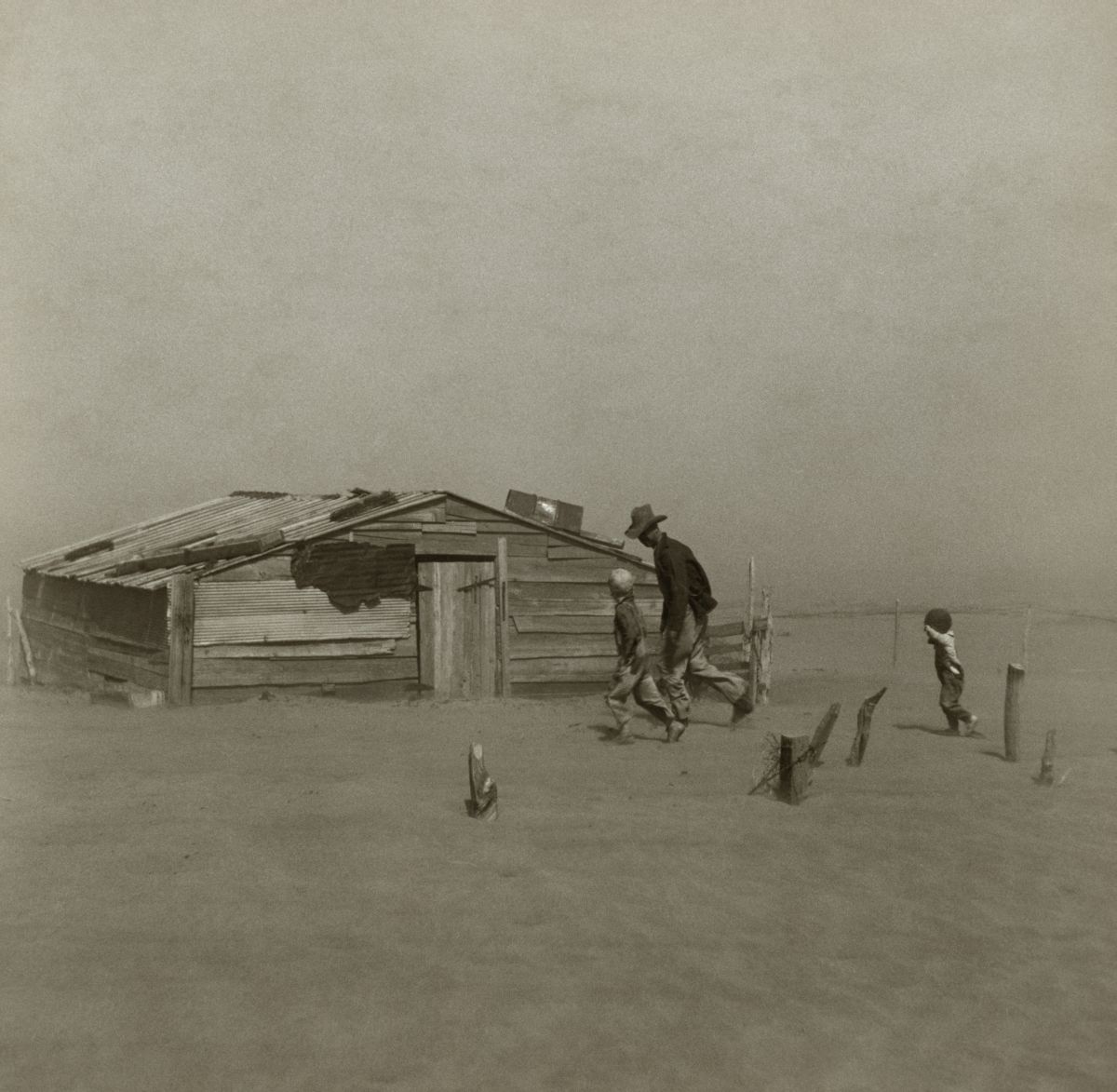
The article examines how Steinbeck’s The Grapes of Wrath, through the Joad family’s experiences during the Dust Bowl, reflects the potential consequences of climate change and mass migration.
-
Why The Martian’s success probably won’t spawn a sequel
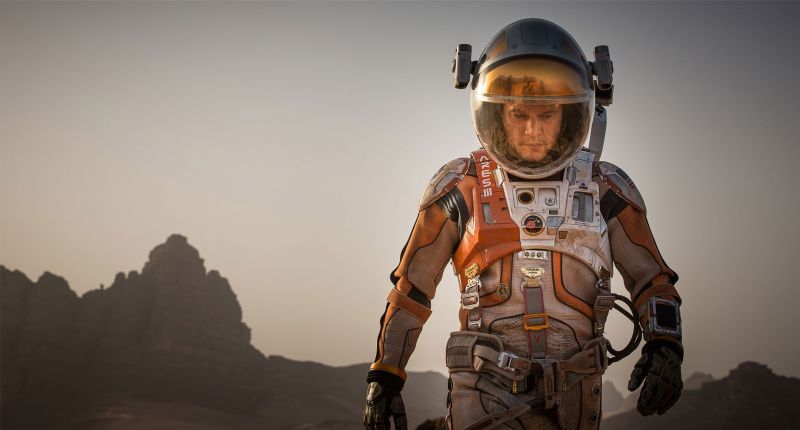
The author discusses why The Martian should not have a sequel, emphasizing the film’s unique narrative, its successful avoidance of Hollywood clichés, and the need for more optimistic storytelling in science fiction.
-
More skirmishes in the genre wars

The genre wars in science fiction, particularly between traditionalists and inclusives, highlight the absurdity of classifications, emphasizing that genres often lack meaningful definitions and distract from storytelling.